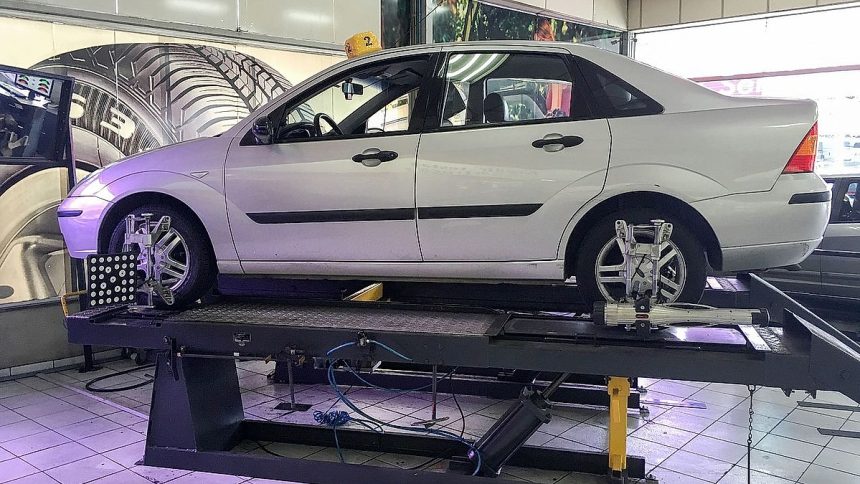
There’s nothing that’d make a driver more unsettled than when there’s car shaking while driving, a steering-wheel wobble, or a persistent vibration that appears without warning. A properly maintained car is designed to drive smoothly and quietly, so when vibrations begin to appear, it is usually the vehicle’s way of signaling that something is wearing out, loose, damaged, or no longer functioning correctly.
This guide offers a detailed approach to identifying, understanding, and diagnosing unusual vehicle noises before they turn into serious mechanical problems. It breaks down common warning sounds, including squealing brakes, grinding metal, clunking suspension components, humming wheel bearings, and ticking engine sounds, and explains what they often reveal about the condition of critical systems such as the brakes, suspension, steering, drivetrain, and engine.
The guide also highlights the importance of addressing small noises early. What begins as a minor squeak or vibration can quickly escalate into major component failure, unsafe driving conditions, or costly repairs if ignored for too long. In many cases, early detection can prevent damage from spreading to surrounding parts and significantly reduce repair costs.
Troubleshooting Car Vibrations
| Symptom (When it Happens) | Symptom (When it Happens) | Potential Specific Causes |
| At Highway Speeds (40–70 mph / 60–110 km/h) | Tyres & Wheels | Shifted internal tire belt (damage not always visible), bad ball joints, or worn tie rod ends. |
| Only When Braking | Braking System | Warped brake rotors, heavily worn brake pads, or debris/rust between pads and rotors. |
| While Sitting at Idle (Stationary) | Engine & Mounts | Worn or broken engine/motor mounts, old spark plugs or engine misfires, or clogged fuel/air filters. |
| During Acceleration or Pulling Away | Drivetrain & Fuel System | Worn CV joints or axles, a failing clutch (if manual), or clogged fuel injectors. |
| When Turning | Steering & Suspension | Worn ball joints or loose control arms, misaligned wheels, or failing CV joints (often with clicking). |
| At Low to Moderate Speeds (25–40 mph) | Tyres & Suspension | Ice or snow buildup around wheel speed sensors interrupts signal data. |
| Changing Gears or at Low Revs | Transmission | Low or contaminated transmission fluid, gearbox vacuum issues, or moisture in the distributor cap. |
| In Extreme Cold Weather (with ABS/TC lights) | Sensors | Ice or snow buildup around wheel speed sensors can interrupt the signal. |
| Constant / Rhythmic (Increases with Speed) | Rotating Components | Worn wheel bearings (often with humming), loose wheel lug nuts, or bent axles. |
| Over Bumps or Rough Roads | Suspension | Damaged sway bar links, failing struts, or worn-out shocks. |
Identifying the Symptoms: When and Where the Vibration Happens
Before inspecting parts or replacing components, the first step is understanding exactly when the vibration occurs. Professional mechanics rely heavily on symptom patterns because the timing, speed, and driving conditions often point directly to the affected system.
A vibration during braking, for example, usually comes from a completely different area than a vibration felt during acceleration or while idling at a stoplight. By narrowing down when the issue appears, you can eliminate dozens of possible causes and speed up the diagnostic process.
Car Shaking While Driving at Highway Speeds (40–70 MPH)
If your car drives smoothly around town but begins shaking, wobbling, or vibrating once you reach highway speeds (40-70 mph), the wheels and tires are usually the first place to inspect.
Imbalanced Tires
Tire imbalance is one of the most common causes of highway-speed vibration. Even a small weight difference across the wheel can cause noticeable shaking once the tires begin to spin faster. Common symptoms include steering wheel vibration, floorboard shaking, seat vibration at certain speeds, and a rhythmic wobble between 40–60 mph. The vibration may become less noticeable above certain speeds, but the underlying issue still remains.
Bent Rims or Damaged Wheels
Striking potholes, curbs, or rough road surfaces can bend a wheel rim or damage the wheel structure. Sometimes the damage is subtle and difficult to spot visually, yet the wheel no longer rotates evenly. This often causes steering wheel shimmy, uneven ride quality, vibrations that worsen with speed, and uneven tire wear.
Tires that are not rotated regularly can wear unevenly over time. Irregular tread patterns, bald spots, or cupped tires can create constant road vibration even if the wheels are balanced correctly. Routine tire rotation helps prevent this type of wear and extends tire life.
Shifted Tire Belts
Internal tire belt separation is another common cause of rhythmic vibration. This usually happens after hard impacts or prolonged driving on damaged tires. Drivers often describe the sensation as a bouncing tire, a wobble that feels “out of round”, and repetitive shaking at moderate speeds. Unlike simple balancing issues, belt damage usually requires tire replacement.
Vibrations Only When Braking
If the vibration appears the moment you press the brake pedal, the braking system becomes the primary suspect.
Warped Brake Rotors
Brake rotors endure extreme heat and pressure during normal driving. Over time, the rotor surface can become uneven due to wear, overheating, or repeated hard braking. When the brake pads clamp onto these uneven surfaces, the driver may feel a pulsation in the brake pedal, the steering wheel shaking, and vibrations while stopping. The harder the braking force, the more noticeable the vibration tends to become.
Grinding or Vibrations With New Brakes
Even newly installed brakes can sometimes produce grinding noises or slight vibrations. This does not always mean the new parts are defective. Possible causes include rust buildup on unused rotors, debris trapped between the rotor and backing plate, and Improper brake hardware installation.
Small stones are lodged near the brake assembly
In some cases, the actual source may not be the brakes at all. Worn wheel bearings or suspension components can create similar symptoms during braking.
Shuddering During Acceleration or Pulling Away
If the car vibrates, jerks, or shudders while accelerating, attention usually shifts toward the drivetrain, axles, transmission, or engine performance.
Worn CV Joints
Constant Velocity (CV) joints allow the axle shafts to flex while the suspension moves and the wheels turn. These joints are protected by rubber boots filled with grease. Once the boot tears,grease leaks out, dirt and moisture enter the joint, and internal wear accelerates rapidly. Symptoms often include clicking while turning, vibration under acceleration, shuddering during takeoff, and damaged or Bent Axles.
A bent axle shaft can create persistent vibration that increases with vehicle speed. Unlike tire imbalance, axle-related vibration is usually more noticeable during acceleration rather than steady cruising.
Transmission Problems
Transmission issues can sometimes feel like engine misfires or wheel vibrations. Drivers may notice jerking between gear changes, delayed acceleration, sudden “shift shock”, and shuddering under light throttle.
Low transmission fluid, worn internal belts, or failing solenoids are common causes. Some vehicles with continuously variable transmissions (CVTs) are especially prone to acceleration shudder as mileage increases.
Clutch Problems in Manual Vehicles
If a manual transmission car judders or shakes only when moving away from a stop, the clutch assembly may be worn. The possible causes include worn clutch friction material, damaged pressure plate, and heat spots on the flywheel. These issues often create vibration, specifically during clutch engagement.
Shaking While Idling
If the car vibrates while parked or stopped at a traffic light but smooths out once driving, the problem is often engine-related.
Worn Engine Mounts
Engine mounts secure the engine to the chassis while absorbing normal engine movement and vibration. Over time, the rubber inside these mounts can crack, separate, or leak hydraulic fluid.
When the mounts fail, engine vibration is transmitted directly into the cabin. Drivers may notice steering wheel vibration at idle, excessive cabin shaking, clunking during acceleration or gear shifts, and engine Misfires.
An engine misfire occurs when one or more cylinders fail to burn fuel properly. This creates an uneven running condition, especially at idle. Common causes include worn spark plugs, faulty ignition coils, and fuel injector problems. A severe misfire may also trigger a flashing check engine light.
Fuel and Airflow Problems
Modern engines rely on a precise air-fuel mixture to run smoothly. Problems involving airflow or fuel delivery can create rough idling and hesitation without immediately triggering warning lights. Common culprits include dirty fuel injectors, vacuum leaks, faulty mass airflow (MAF) sensors, and carbon buildup in the intake system.
These issues often cause a stuttering or jerking sensation, especially during low-speed driving or idle conditions.
Car Expert Checklist for Car Vibration Issues
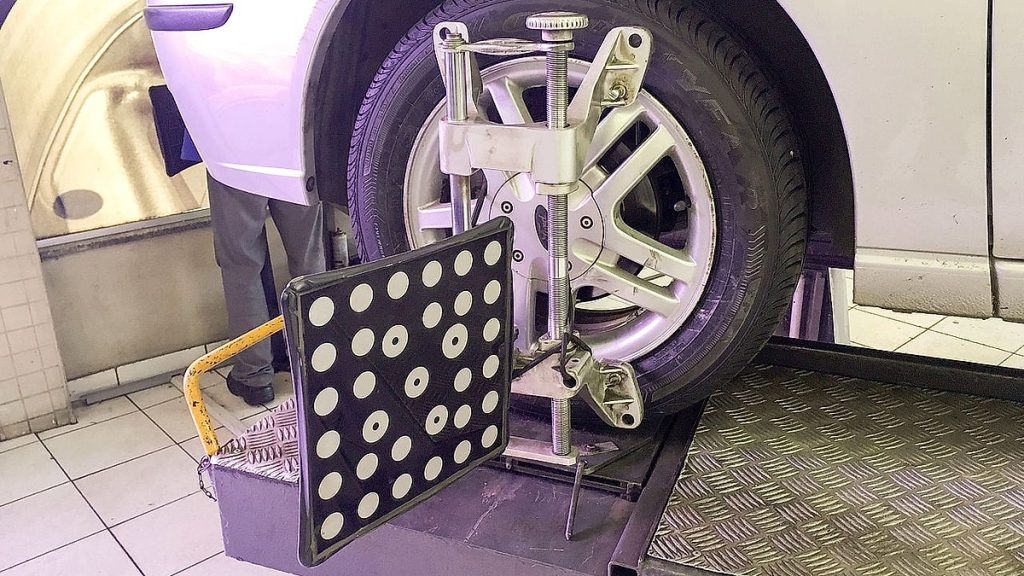
With inspiration from car experts and industry leaders, the following guidelines will help diagnose issues with your car shaking while driving, leaving no stone unturned.
Assess Noises and Secondary Symptoms
Vehicle vibrations are often accompanied by unusual sounds that provide important clues about the underlying problem. Paying attention to these secondary symptoms can help narrow down the source of the issue much faster.
Clicking While Turning
A clicking or snapping noise during turns is commonly associated with a failing CV joint. This usually happens when the protective CV boot tears, allowing grease to leak out and dirt to contaminate the joint.
Humming or Droning Sounds
A constant humming, growling, or droning noise that varies with speed often indicates a worn wheel bearing. In some cases, the vehicle may also develop a slight wobble or vibration through the floor or steering wheel.
Squealing Noises
High-pitched squealing is often linked to worn brake pads, glazed rotors, or loose serpentine belts under the hood. Brake-related squeals may become louder during stopping, while belt squeals are usually more noticeable during startup or acceleration.
Clunking Over Bumps
A clunking or knocking sound when driving over rough roads or speed bumps typically suggests worn or loose suspension components. Some of the common culprits include ball joints, control arm bushings, sway bar links, and struts or shock mounts.
These components help stabilize the vehicle, so excessive wear can also contribute to poor handling and uneven tire wear.
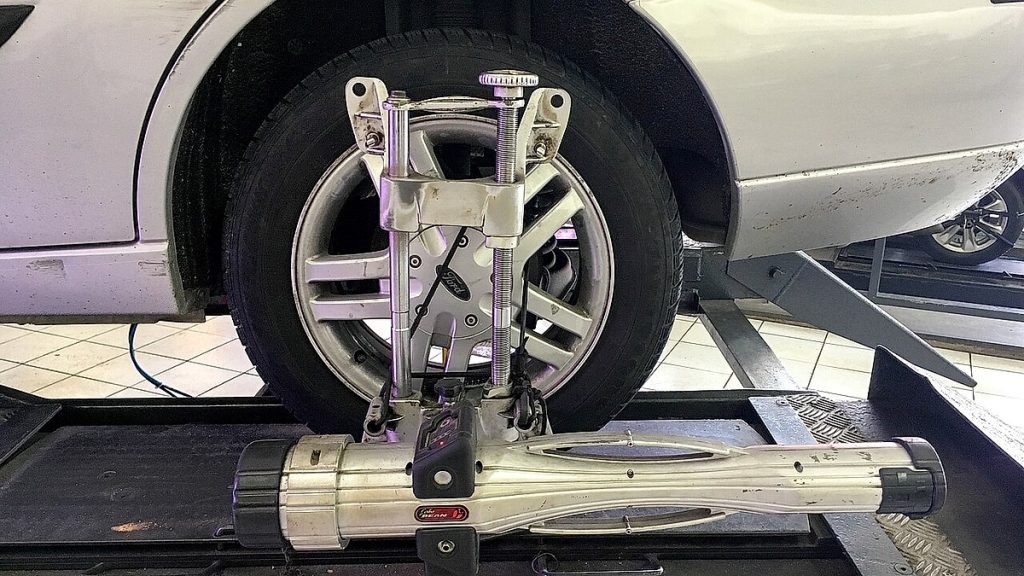
Check Wheel Balance and Alignment
Before considering expensive mechanical repairs, it is always wise to start with the basics. Wheel balancing is one of the most common and affordable solutions for highway-speed vibrations.
Even a slight imbalance in one wheel can create noticeable shaking at certain speeds, especially between 40 and 70 mph. Wheel alignment should also be inspected if the vehicle pulls to one side, has an off-center steering wheel, shows uneven tire wear, or feels unstable at higher speeds.
Driving with poor alignment not only affects handling but also shortens tire life and places extra stress on suspension components.
Inspect the Drivetrain and Engine Mounts
If the wheels, tires, and alignment appear normal, technicians typically move on to inspecting the drivetrain and underbody components. Using a vehicle lift, they check for torn or leaking CV boots, worn engine or transmission mounts, loose suspension parts, damaged axle shafts, and excessive play in wheel bearings.
Failing engine mounts can allow engine vibration to transfer directly into the cabin, while worn drivetrain components often create shaking during acceleration.
Modern diagnostic tools are also useful for identifying hidden engine misfires or transmission issues that may not yet trigger a dashboard warning light. Catching these problems early can prevent more serious mechanical damage later on.
Brand-Specific and Mechanical Nuances
Some vibration problems are more difficult to diagnose because they are tied to specific engine types, weather conditions, or transmission designs. Understanding these less obvious causes can help identify issues that general troubleshooting guides often overlook.
Diesel Engine Judder
Diesel vehicles can develop a noticeable judder or shudder during acceleration when fuel delivery becomes inconsistent. One of the most common causes is clogged or dirty fuel injectors.
When injectors cannot spray fuel properly, the engine may run unevenly under load, creating hesitation during acceleration, rough driving at low speeds, vibrations while climbing hills, and increased engine noise. In many cases, cleaning the fuel system and injectors can improve performance before more serious damage occurs.
Cold Weather and Wheel Sensor Issues
During winter conditions, snow, slush, or ice buildup around wheel speed sensors can interfere with the vehicle’s ABS and traction control systems.
When the sensors send inaccurate wheel-speed data to the computer, the system may incorrectly detect wheel slip and attempt to compensate. This can cause sudden shuddering, unexpected activation of traction control, ABS warning lights, and pulsation during acceleration.
Cleaning the wheel hub area and removing packed ice or debris often resolves the issue.
Transmission “Shift Shock”
Not all jerking sensations are caused by tires or suspension components. Sometimes the issue comes from inside the transmission itself.
If the vehicle suddenly bucks, jerks, or feels harsh during gear changes, drivers often describe it as a “shift shock.”Common causes include low transmission fluid, worn transmission solenoids, delayed gear engagement, and internal transmission wear.
Unlike wheel-related vibrations, transmission-related jerking is usually tied directly to acceleration and gear shifting rather than road speed alone.
When Is a Car Vibration an Emergency?
Some vibrations are minor and develop gradually over time. Others can indicate serious safety hazards that require immediate attention. You should pull over and inspect the vehicle immediately if:
The Shaking Becomes Sudden and Violent
A sudden vibration at highway speeds could indicate tire separation, a loose wheel, suspension failure, or major drivetrain damage. Continuing to drive may lead to loss of vehicle control.
Brake Vibrations Affect Stopping Ability
If the brake pedal shakes violently or the vehicle struggles to stop properly, the braking system may be compromised. This could involve severely warped rotors, loose brake components, and brake system failure. Driving under these conditions is unsafe.
Burning Smells, Smoke, or Grinding Noises Appear
A vibration accompanied by burning odors, smoke, or loud metal-on-metal grinding often signals severe mechanical damage. Possible causes include failing wheel bearings, seized brake components, transmission damage, and overheated drivetrain parts. Ignoring these warning signs can quickly lead to catastrophic failure.
Steering Control Becomes Difficult
If the steering wheel suddenly pulls hard to one side, feels loose, or becomes difficult to control, stop driving as soon as it is safe to do so. This may indicate suspension failure, a tire blowout, damage to a steering component, or severe alignment issues.
Loss of steering control is one of the most dangerous symptoms associated with vehicle vibrations and should never be ignored.
Preventive Maintenance, Stopping Vibrations Before They Start
The best way to deal with vehicle vibrations is to prevent the wear and damage that causes them in the first place. Routine maintenance not only improves driving comfort but also helps extend the lifespan of critical components such as tires, brakes, suspension parts, and drivetrain systems.
Tire Maintenance
Tires play a major role in ride quality and vehicle stability. Even small issues with tire pressure or balance can create noticeable vibrations at higher speeds.
To reduce the risk of tire-related shaking, it is advisable that you check tire pressure at least once a month, follow the manufacturer’s recommended pressure settings, rotate tires regularly to promote even tread wear, and balance tires every 6,000 to 10,000 miles or whenever vibrations appear. Proper tire maintenance also improves fuel economy, handling, and braking performance.
Regular Brake Inspections
Brake components wear gradually over time, and ignoring early warning signs often leads to more expensive repairs later. Replacing brake pads before they wear down completely helps prevent rotor damage, grinding noises, brake vibration, and reduced stopping performance.
Routine brake inspections also help identify sticking calipers, uneven rotor wear, and loose hardware before they become serious safety concerns.
Keep Fluids Fresh
Transmission fluid and engine oil are essential for reducing friction and heat inside moving components. Old or contaminated fluids can contribute to rough shifting, drivetrain shudder, and accelerated internal wear.
Following the manufacturer’s recommended service intervals helps protect transmission components, engine internals, bearings, moving parts, and hydraulic systems.
Fresh fluids also improve overall drivability and long-term reliability.
Clean the Wheel and Suspension Area
In colder climates, snow, road salt, and debris can build up around wheel hubs, brake components, and wheel-speed sensors. Over time, this buildup may cause wheel imbalance, sensor corrosion, ABS or traction control problems, and unusual vibrations or shuddering.
Regular cleaning during the winter months helps prevent corrosion and keeps critical systems functioning properly.
Car shaking while driving or vibration is rarely something to ignore. In most cases, it is the car’s earliest warning sign that a component is wearing out, damaged, loose, or no longer operating correctly.
The key to diagnosing the problem is paying attention to when the vibration occurs at highway speeds, during braking, while accelerating, during turns, or while the engine is idling.
These details provide valuable clues that can help mechanics identify the root cause more quickly and accurately. Addressing vibrations early not only improves safety and driving comfort but can also prevent costly secondary damage to surrounding components. A small issue caught early is almost always cheaper and easier to repair than a major failure later on.