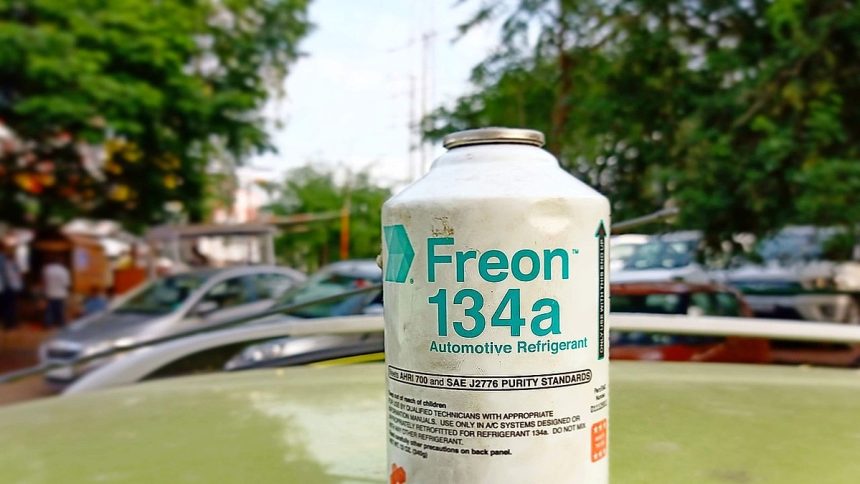
How long does Freon last in a car? That’s one of the most common questions vehicle owners ask, especially when summer’s heat begins peaking. Unlike your vehicle’s fuel, which is actively used by the engine to produce power, the refrigerant, commonly referred to as Freon (brand name), operates in a closed-loop system.
If we lived in a perfect world, you’d never have to top up your vehicle’s AC gas. However, real-world driving conditions, age, and environment significantly change the stakes.
What’s the average lifespan of car Freon
Under normal driving conditions, the air conditioning gas in your car should last between 3 and 5 years. Some well-maintained modern vehicles can go even longer, with experts noting that vehicles developed from the year 2000 onwards have tighter, less leak-prone seals that help the refrigerant last much longer, sometimes even up to the entire lifespan of the vehicle (if no leaks develop).
However, many automotive service technicians see a decline in performance much sooner. In practical terms, most car owners will see a noticeable drop in cooling efficiency after 2 to 3 years. This is typically caused by natural permeation, in which microscopic amounts of the gas escape through the hoses and seals over time.
Why does Freon run low?
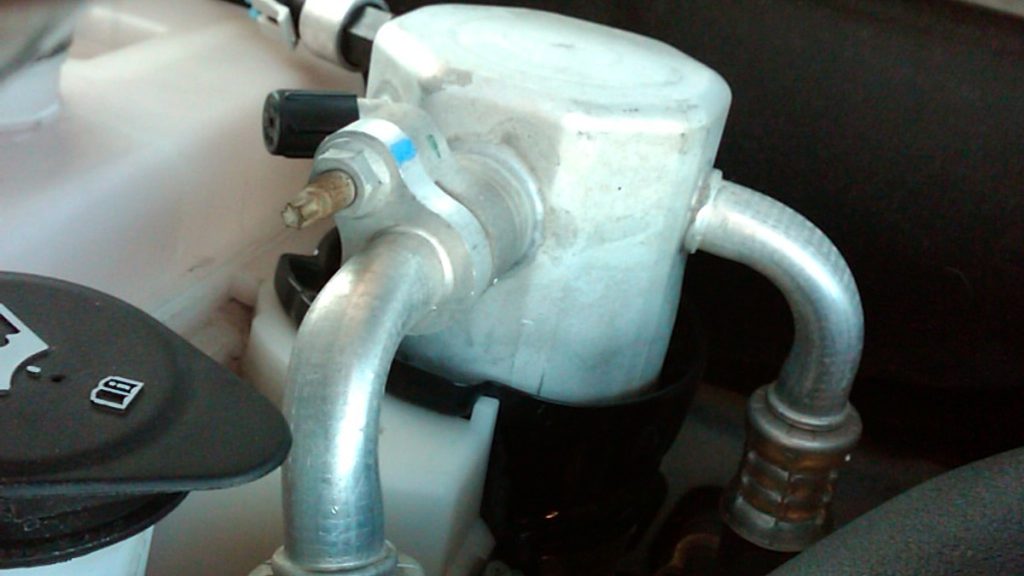
If your AC is blowing warm air, the problem is usually a refrigerant leak somewhere in the system. An automotive AC system is sealed and pressurized, meaning the refrigerant does not simply “wear out” or evaporate over time. Instead, several factors can cause it to escape.
Over time, rubber seals, hoses, and O-rings can dry out, crack, or become brittle, allowing refrigerant to slowly leak out. Lack of use is another common cause. When the AC sits unused for long periods, especially during colder months, the lubricating oil mixed with the refrigerant stops circulating. Without that lubrication, seals can dry out and fail.
Environmental conditions also play a role. Constant exposure to extreme heat, rough roads, and vibrations can loosen fittings or damage components such as the condenser. Road debris can even puncture the condenser, causing a rapid loss of refrigerant. Older vehicles are especially vulnerable because years of wear and tear increase the likelihood of leaks and failing components.
Signs your car may need an AC recharge
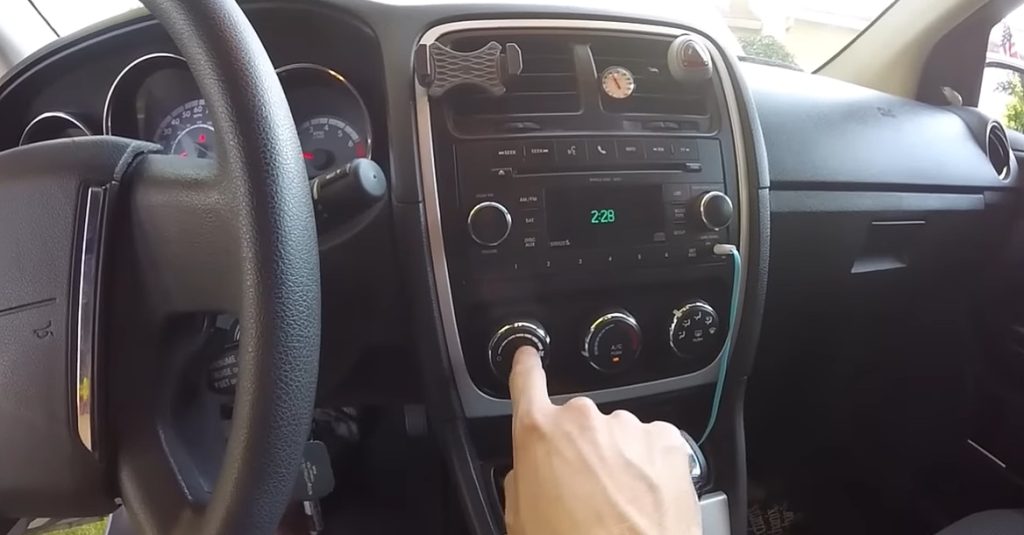
Catching low refrigerant levels early can help prevent more serious AC damage. Common warning signs include:
Warm or Lukewarm Air: The vents blow air at near-outdoor temperatures even when the system is set to maximum cooling.
Weak Airflow: Reduced cooling pressure can make the airflow feel weaker than normal.
Short Cycling: The AC compressor repeatedly clicks on and off in quick succession because the system cannot maintain proper pressure.
Visible Leaks: Refrigerant travels with lubricating oil, so oily residue or moisture around hoses, fittings, or the compressor often points to a leak.
Hissing Sounds: A small puncture or faulty valve may produce a noticeable hissing noise as refrigerant escapes.
Maintenance tips to extend refrigerant life
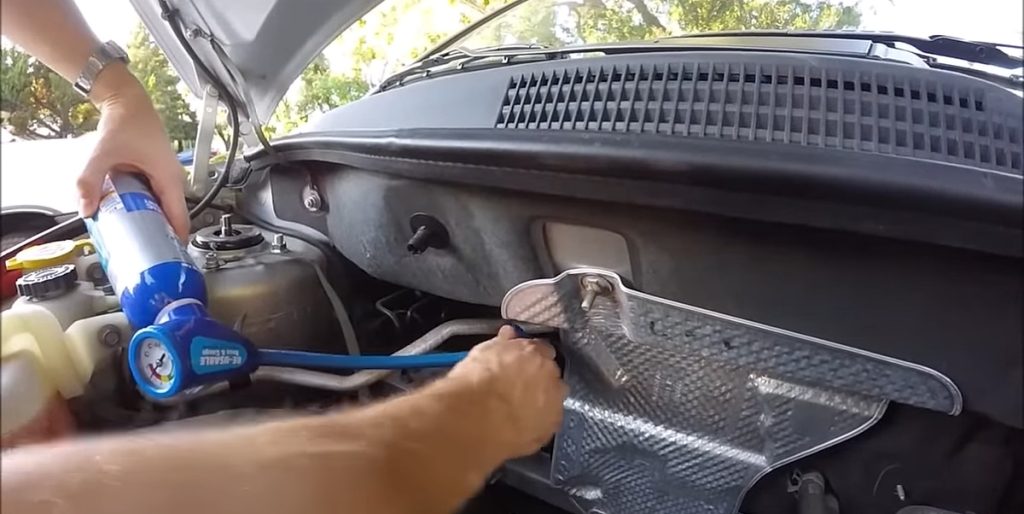
A few simple maintenance habits can help your car’s AC system last longer and reduce the chances of refrigerant leaks.
Follow the “10-Minute Rule.”
Run your air conditioning for at least 10 minutes every week, even during winter. This keeps the refrigerant oil circulating through the system, helping lubricate seals and preventing them from drying out or cracking.
Park in the Shade
Keeping your car out of direct sunlight lowers the cabin temperature before you start driving. This reduces the strain on the AC system and prevents the compressor from working at maximum load for extended periods.
Schedule Routine Inspections
Have the AC system inspected by a professional every one to two years. Small leaks and worn components can often be detected early, before they lead to costly repairs.
The Cost: Professional Recharge vs. DIY
When your AC system needs a refrigerant recharge, you generally have two options: professional service or a DIY kit.
A professional AC recharge usually costs between $150 and $300, depending on the vehicle and the type of refrigerant used. While it costs more upfront, a technician can perform a vacuum test to check for leaks before refilling the system. Professionals also ensure the correct refrigerant is used, whether it is the older R134a or the newer, more expensive R1234yf used in many vehicles built after 2017.
DIY recharge kits are cheaper, typically ranging from $40 to $100, but they carry significant risks. Without proper gauges and equipment, it is easy to overcharge the system, which can damage the compressor and other AC components. In many cases, adding refrigerant without fixing the underlying leak only provides a temporary solution and may also harm the environment.