It can be a little disorienting when you notice a humming noise that gets louder with speed in your car. Usually, this strange noise that intensifies with speed is caused by rotating components – most commonly, the wheel bearings, tires (uneven wear or imbalance), drivetrain parts, or the differential.
The reason the humming noise gets louder with speed is that the affected parts spin faster, amplifying any wear, imbalance, or friction. Fortunately, most causes of humming noise that gets louder with speed are diagnosable and fixable if the symptoms are caught early.
In this piece, we will explain the likely causes, how to confirm them, and what fixes work – based on mechanic advice, our research, and previous owner experiences from popular car platforms.
What causes the humming noise that gets louder with speed?
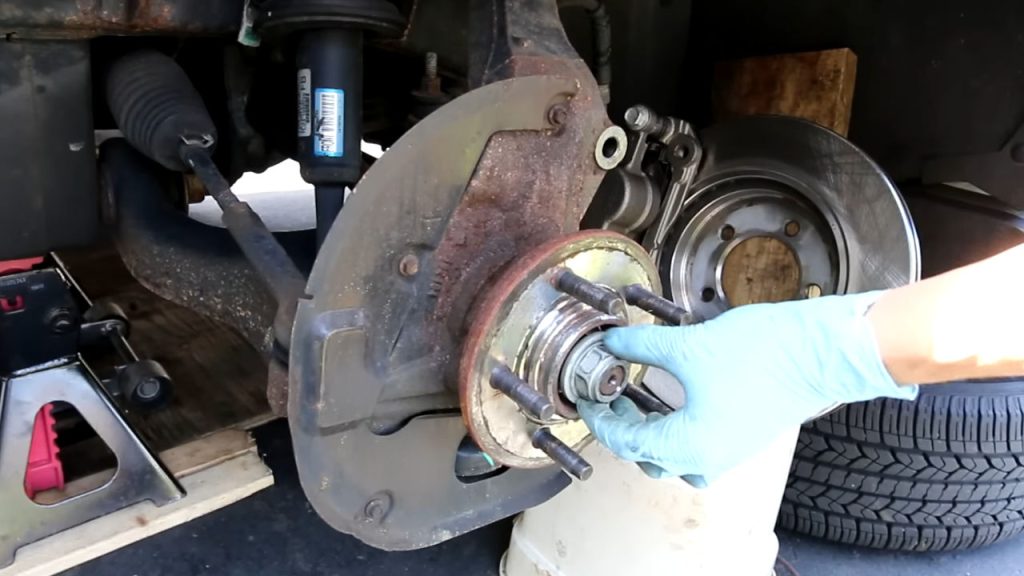
There are several reasons why your vehicle may experience a humming noise that gets louder with speed. The most common is a worn wheel bearing. For this specific part, the humming may get louder with speed, but it may change when you turn left or right. This is because the bearing wear creates friction as the wheel spins faster. You can do a simple check to see if your vehicle’s symptoms get louder when shifting weight on or off a wheel while turning. Also, check for a slight vibration in the steering wheel or on the vehicle’s floor.
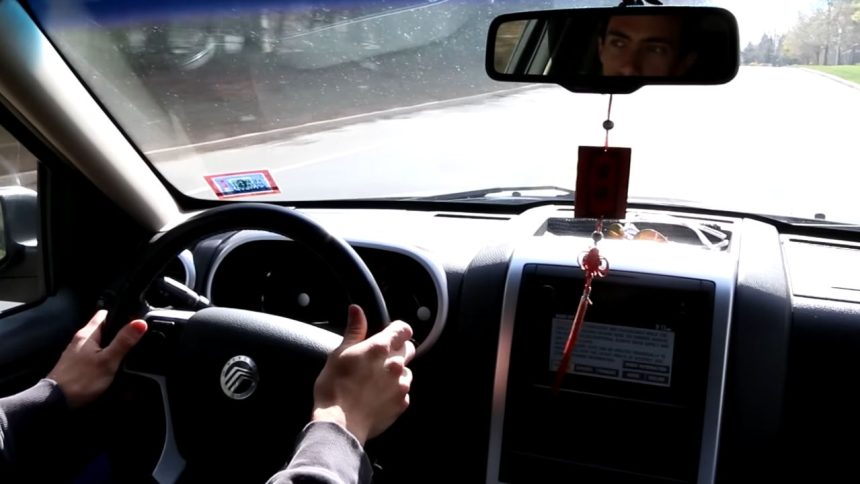
“Go on a level road. Get up to speed where it is loudest and swerve back and forth. You will hear the sound get louder and softer as you swerve, that is due to the load on the bearing changing,” an experienced owner on Reddit revealed.
The humming noise may also occur if your car has uneven or cupped tires. If this is the case, you’ll notice rhythmic humming that matches the road speed – and can sometimes be felt through the seat. This happens because the uneven tread blocks slap against the road. You can do a simple check by running your hand across the tread – searching for high or low spots. You can also swap the front and rear tires and check if the humming increases or decreases.
Faulty CV joints also cause a whining or humming noise that intensifies with speed. You’ll notice a clicking sound when turning if the symptoms are severe. This happens because worn-out joints vibrate more as the rotational speed increases. Differential or transmission issues can also cause a humming noise that increases with speed but not engine RPMs – this will happen if the vehicle has low gear oil or worn-out clutches. If all the above fail, check for wheel alignment issues – they usually contribute to tire wear, which can lead to a humming noise that gets louder with speed.
When to see a mechanic
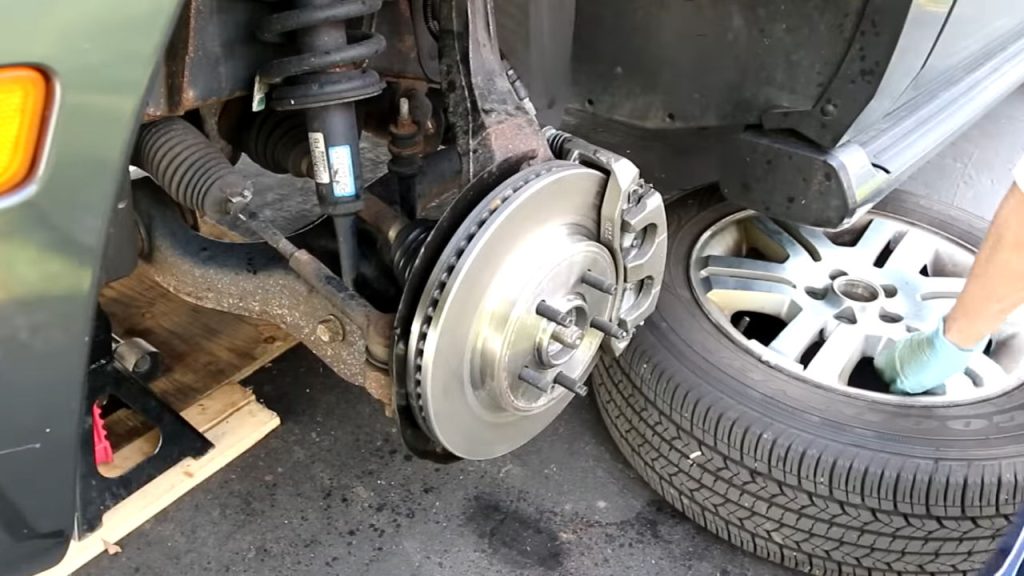
There are a few easy fixes that you can do from the comfort of your home garage. For starters, check the tire pressure and rotate the tires to see if the symptoms disappear. Also, inspect your tire treads for cupping. Next, shake the tires at 12 and 6 o’clock to check for wheel bearing play. Watch out for leaking or torn CV boots.
If the humming doesn’t change after rotating the tires, or the noise gets louder when turning (likely a wheel bearing), or you can feel some vibration at highway speeds, you’ll need to see a professional mechanic. To prevent problems like these, rotate your tires every 5,000 to 7,000 miles, keep tire pressure consistent, and don’t ignore any vibration, pulling, or strange sounds from your vehicle’s suspension.