Getting a new car is supposed to be one of life’s exciting milestones. You get approved for financing, head to the dealership, do the paperwork, and drive away with a shiny new vehicle and perhaps even a giant red ribbon for the photos.
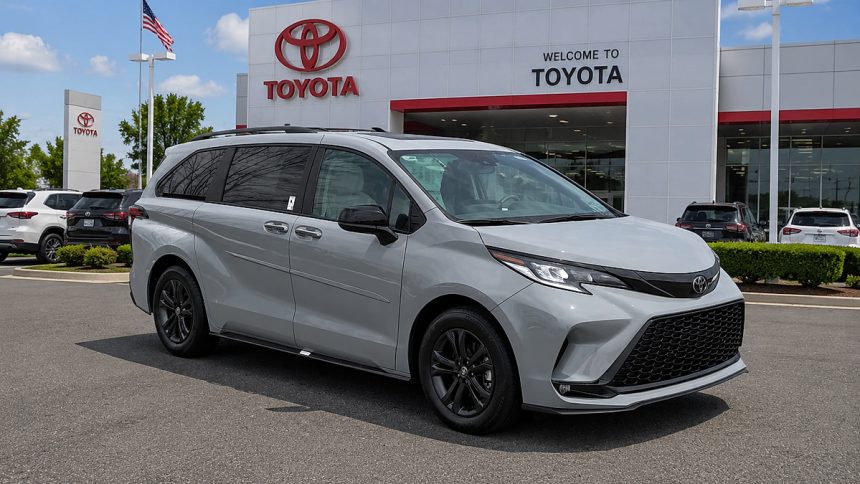
That wasn’t the experience one couple described after attempting to purchase a 2026 Toyota Sienna XSE in the cement color from Toyota of Whittier.
Frustrated by what they called a terrible buying experience, the customer took to Reddit to share a story that stretched over four days and involved repeated requests for Social Security numbers, multiple financing hurdles, survey signatures, and what they felt were unnecessary complications before finally taking delivery of their minivan.
In case you did not know. The 2026 Toyota Sienna XSE comes with a 2.5-liter 4-cylinder engine and electric motors (hybrid), producing 240 hp. It features an electronically controlled Continuous Variable Transmission (eCVT), and is available in both front-wheel drive (FWD) and electronically on-demand all-wheel drive (AWD) for this minivan.
Repeated requests for customer personal details may raise red flags

It’s difficult to have a solid conclusion given there’s only one side of the story. However, the story highlights something many car buyers don’t realize: dealerships and manufacturers operate within an incentive system that can conflict with customers’ expectations of a simple, transparent purchase process.
The couple’s biggest issue was how the dealership repeatedly requested their Social Security information.
This can feel intrusive to many customers, especially after financing has been approved on their part. However, many dealerships require SSNs to submit credit applications to lenders, verify customer identities, comply with federal regulations, or secure financing approvals.
It could be the reason behind the dealership’s request for the couple’s information to have the car ready in one day. The concern arises when customers feel information is being requested multiple times without a clear explanation.
The more interesting part of the story, however, may be what happened after financing.
Modern dealerships don’t make all their money selling cars. In fact, profit margins on new vehicles are often surprisingly thin. The real money often comes from F&I (Finance and Insurance) products.
This includes extended warranties, vehicle service contracts, maintenance plans, GAP insurance, paint protection packages, wheel protection plans, and other add-ons offered after a purchase price has been negotiated.
It’s more than just single-unit profits for major car dealerships
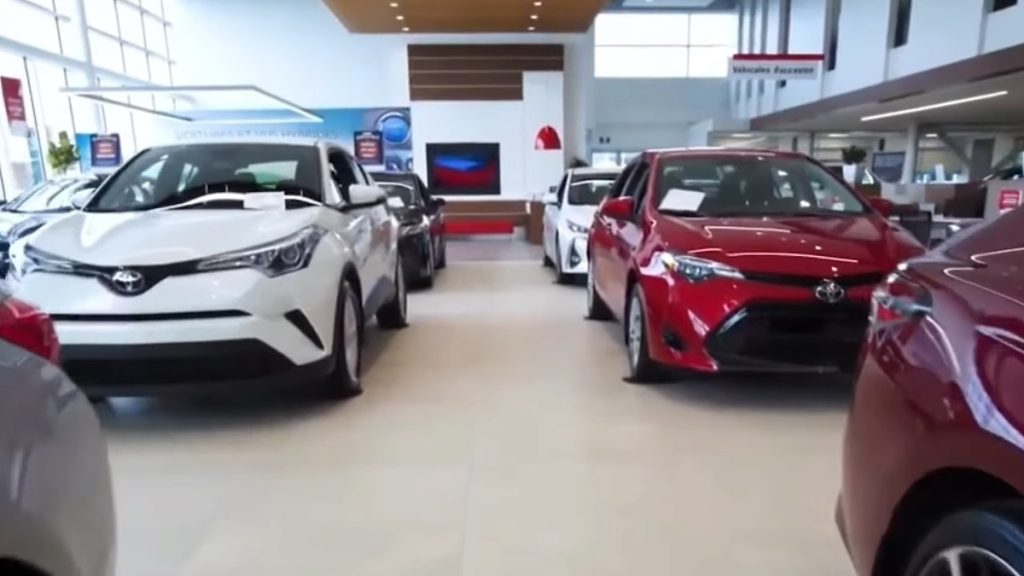
According to Industry analysts, these products can generate significantly higher profit margins than, for example, the 2026 Toyota Sienna XSE. That’s why customers often spend considerable time in the finance office even after agreeing on a vehicle price.
The Reddit post also mentioned pressure surrounding dealership surveys. That might seem insignificant, but customer satisfaction surveys are serious business in the automotive world.
Manufacturers such as Toyota use Customer Satisfaction Index (CSI) scores to evaluate dealerships. High scores can influence dealer bonuses, future vehicle allocations, manufacturer incentives, and even employee compensation. In many cases, a less-than-perfect survey score can have a surprisingly large financial impact on dealership staff.
This helps explain why customers are sometimes encouraged to sign survey acknowledgments or reminded repeatedly about upcoming satisfaction questionnaires.
None of this necessarily means a dealership is acting improperly. But it does reveal how many competing financial incentives exist behind what customers assume is a straightforward vehicle purchase.
What we can learn from this 2026 Toyota Sienna XSE purchase isn’t that buying a new car from a dealership is broken. It’s that the modern-day dealership business isn’t just about selling vehicles. Between financing arrangements, warranty, manufacturer bonuses, and customer satisfaction metrics, the simple act of walking into a dealership to buy yourself a new car can involve far more moving parts than most customers notice.