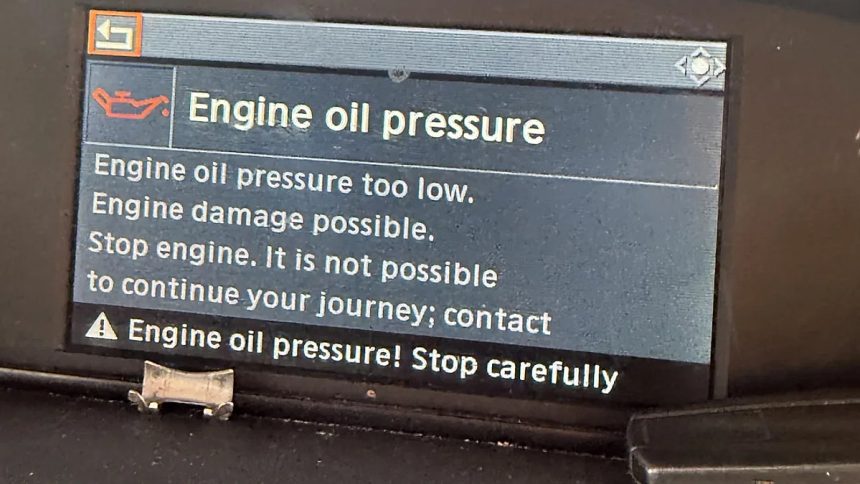
Few warning lights are as alarming as a warning for low oil pressure in a BMW X3. When the red oil can icon appears on the dashboard, it signals that the engine may not be circulating enough oil to properly lubricate its moving parts. Without adequate lubrication, friction and heat can build up quickly, accelerating wear on critical components and potentially causing severe engine damage within minutes.
For owners of older or high-mileage X3s, knowing how to respond can mean the difference between a simple repair and a complete engine replacement.
What To Do When the Warning Appears
The moment the low oil pressure warning comes on, pull over safely and shut the engine off. Continuing to drive, even for a short distance, can cause irreversible damage to bearings, camshafts, and other critical engine components.
Once the vehicle is parked, allow it to sit for several minutes so the oil can drain back into the oil pan. Most modern BMW X3 models rely on the iDrive system to display oil level information, as many no longer come with a traditional dipstick.
If the oil level is low, add the manufacturer-recommended oil grade, typically a BMW-approved full synthetic such as 0W-20 or 5W-30, depending on the model year and engine. Restart the vehicle and check whether the warning disappears. If the light remains on, do not drive the SUV. Instead, arrange for it to be towed to a BMW specialist for diagnosis.
Why Low Oil Pressure in a BMW X3 Happens

In some cases, the problem is relatively minor. A faulty oil pressure sensor can send inaccurate readings to the dashboard, triggering a warning even when oil pressure is normal.
Other causes are more serious. Sludge buildup can clog the oil pickup screen inside the oil pan, restricting oil flow to the pump. Some BMW engines are also known to ingest debris from deteriorating serpentine belts, which can eventually block oil passages.
A clogged or improperly installed oil filter can create similar issues, particularly after an oil change. BMW filter housings rely on several internal components to function correctly, and missing or damaged parts can trigger low-pressure warnings almost immediately.
Higher-mileage vehicles may experience wear in the oil pump itself or the chain that drives it. Internal engine wear is another possibility. As bearings age, clearances increase, allowing oil to escape more quickly than the system can maintain pressure. This often shows up as a warning light that flickers at idle.
Symptoms Beyond the Warning Light
Low oil pressure doesn’t always announce itself with a dashboard warning alone. Drivers may notice ticking, rattling, or knocking noises from the engine as lubrication decreases. Performance can also suffer, making the vehicle feel sluggish under acceleration.
Because engine oil helps remove heat from internal components, rising temperatures or overheating can accompany low-pressure issues. If an oil leak is responsible, you may also detect a burning odor of oil as fluid drips onto hot exhaust components.
Repair Costs Can Add Up Quickly
The cost of fixing a low oil pressure problem varies dramatically depending on the cause. Replacing a failed oil pressure sensor is usually one of the least expensive fixes. An oil pump replacement, however, can be costly due to the labor required to remove the oil pan and related components.
If low oil pressure has already damaged the engine, repair bills can escalate into the thousands. At that point, owners of older X3s often face a difficult decision: repair the vehicle or replace it. Many mechanics suggest using the “50 percent rule”—if the repair cost exceeds half of the vehicle’s market value, replacement may make more financial sense.
Prevention Is Far Cheaper Than Repair
The best defense against low oil pressure is regular maintenance. Using the correct oil viscosity, changing the oil and filter at sensible intervals, and addressing leaks before they worsen can significantly reduce the risk of major engine problems.
For many BMW X3 owners, spending a little more time and money on preventive maintenance is far easier than dealing with the cost of a failed engine. When it comes to oil pressure, the warning light is one alert you should never ignore.