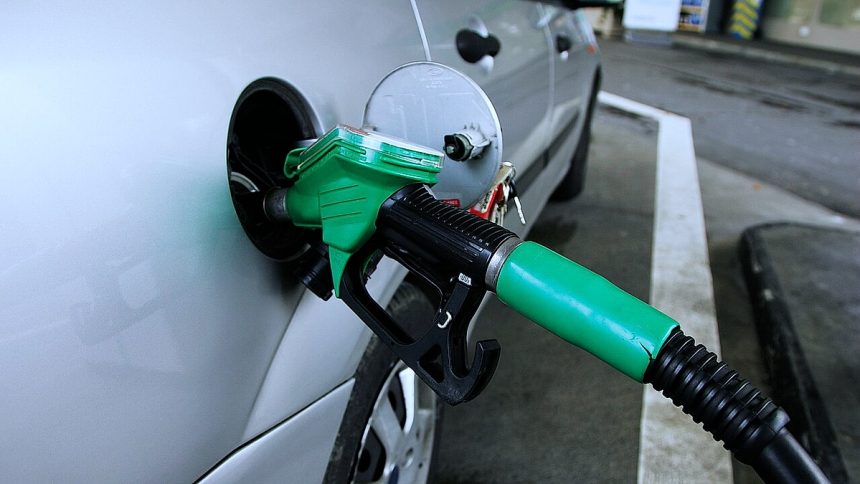
Have you ever been fueling up and suddenly heard that sharp “click” that stops the flow of gas right when the tank is full? It almost feels automatic in the smartest way possible, but the system behind it is surprisingly simple.
Most drivers never think about how it works, yet that little click plays a major role in safety, fuel efficiency, and the protection of your car’s fuel system. The technology inside a gas pump nozzle has been around for decades and relies more on physics than electronics.
The Small Hole That Controls Everything
At the tip of every fuel nozzle is a tiny hole connected to a narrow tube inside the handle. That small opening is the key to the automatic shut-off system.
As fuel moves through the nozzle, it passes through a narrow section called a venturi tube. When liquid flows through a tight space, its speed increases while pressure drops. This creates suction, known as the Venturi effect. The Venturi effect was identified by Italian physicist Giovanni Venturi in 1797. At the tip of every nozzle is a small hole connected to a thin tube running back into the handle. As fuel flows through a narrow section of the nozzle, the pressure drops, creating a vacuum that draws air through the hole.
While the tank is filling, air flows freely through the hole, and the pump keeps running. The moment rising fuel covers that hole, air can no longer enter. The vacuum intensifies, triggering a spring-loaded valve that shuts the nozzle off instantly.
Other Shut-Off Mechanisms
Some stations use additional systems in addition to the Venturi effect. As a tank fills, compressed air creates back pressure that advanced dispensers can detect and use to stop the pump. Many modern nozzles also include vapor recovery systems that capture fuel vapors before they escape into the atmosphere. High-volume commercial dispensers use electronic controllers that track exactly how much fuel has been dispensed and shut down at a preset volume.
Why the Pump Clicks Off Early
A nozzle that keeps shutting off before the tank is full is usually being falsely triggered. Common causes include fuel splashing back up the filler neck, vapors that cannot escape fast enough, a nozzle inserted at the wrong angle, or a clogged vapor return line. Inserting the nozzle fully, adjusting the angle, or slowing the fueling rate usually resolves the problem.
The Modern Gas Pump Uses More Than One System
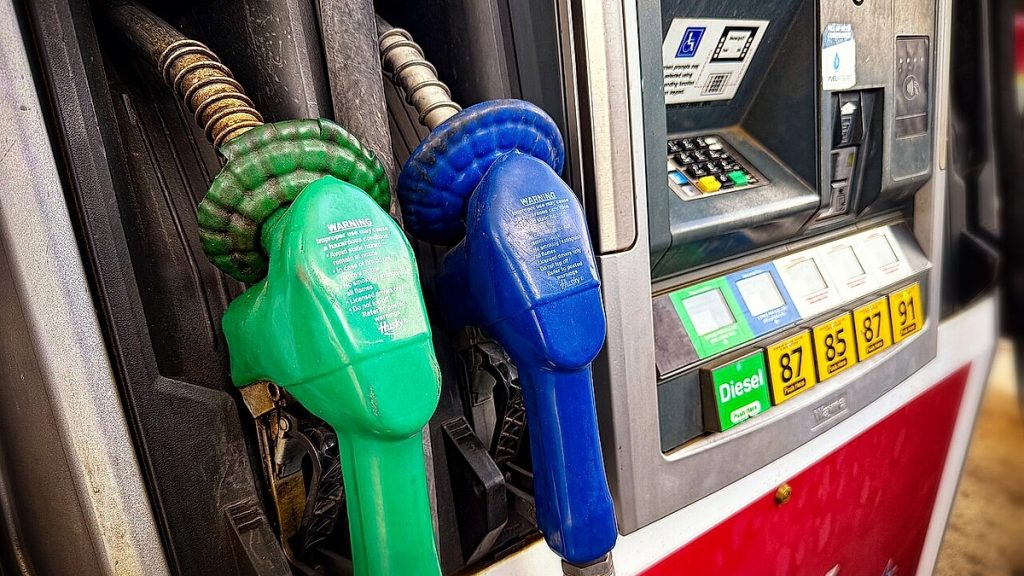
While the Venturi effect remains the primary shut-off method, newer fuel stations also use additional systems to improve accuracy and safety.
Head Pressure Detection
As a fuel tank fills, the remaining air inside becomes compressed. This creates back pressure against incoming fuel. Some modern dispensers monitor these pressure changes and use them as another signal to stop fueling.
Vapor Recovery Systems
Many pumps now include vapor recovery nozzles designed to capture fuel vapors before they escape into the air. These nozzles usually have a rubber shroud around the filler neck. The system helps reduce harmful emissions and assists with pressure regulation during fueling.
Electronic Pump Controls
Modern dispensers also use electronic controllers that monitor fuel flow, pressure, and volume. These systems track exactly how much fuel is dispensed and help ensure accurate shut-off timing.
Why You Should Never Top Off Your Tank
Many drivers continue squeezing the gas pump handle after the first click to force extra fuel into the tank. This is called topping off, and it can lead to costly problems.
Damage to the EVAP System
Modern vehicles use an evaporative emissions system, or EVAP system, to manage fuel vapors. Overfilling the tank can send liquid gasoline into the charcoal canister, damaging components designed only for vapor.
Wasted Money
After the first click, extra fuel may not stay in your tank. Some of it can be pulled back into the station’s vapor recovery system or spill into overflow areas.
Environmental Risks
Gasoline expands as temperatures rise. An overfilled tank leaves no room for expansion, increasing the risk of leaks, vapor release, and fuel spills.
Keeping Your Fuel System Healthy

Once the nozzle clicks off, your tank is full. There is no benefit to forcing more fuel in.
The shut-off mechanism is mechanical and reliable, but the rest of the fuel system still needs attention. Using quality fuel reduces carbon buildup on injectors. Replacing the fuel filter at the manufacturer’s recommended intervals prevents clogs. A car that consistently triggers early shut-offs may have a problem with its vent tube or fuel system that requires a mechanic.
The click at the gas pump is the result of a simple, physics-based system doing exactly what it was designed to do. When it goes off, the tank is full. Continuing to pump past that point costs money, risks damage, and offers no real benefit.