It can be a little concerning if your car jerks when accelerating from a stop and presents no engine lights. It can almost feel like you’ve gone over something on the road, or your vehicle is being held by something. However, if your car jerks each time you hit the gas pedal from a stop – and it doesn’t present any warning lights, there could be a deeper issue at play.
It is essential to note that a jerk doesn’t automatically mean the ECU is defective or that it’s detecting a fault warranting an error code. What it means is your vehicle is experiencing low-level issues such as fuel delivery or airflow problems, ignition timing delays, or transmission slip. All these issues can cause a jerk without triggering a check engine light on your dashboard.
We’ll walk you through the common causes of these symptoms, explain why they may not trigger dashboard warning signs, and offer simple diagnostic and maintenance steps you can follow to restore your vehicle to smooth take-offs.
Why the car jerks are not triggering a check-engine warning
Most modern cars feature complex electronics with sensors on critical components to help the driver spot faults before they damage the vehicle. As such, most symptoms are accompanied by an error code on the dashboard, allowing quick diagnosis and preventing expensive repairs. Therefore, when the vehicle exhibits fault symptoms that don’t trigger dashboard warning lights, it can be a little concerning.
If your car jerks when accelerating from a stop and doesn’t present any engine lights on the dashboard, the first culprit could be fuel delivery issues. A clogged fuel filter, a failing fuel pump, or clogged, dirty injectors will starve the engine, especially during acceleration. You’ll notice that your vehicle’s engine will splutter or hesitate until the pressure flow has normalized. Since the flow normalizes shortly afterward, the vehicle’s ECU may not pick up the problem and, as a result, not present any warning lights.
A dirty air filter, a failing mass airflow sensor (MAF), or even a clogged throttle body can restrict or mis-measure the air entering the engine, which can mess up the correct air-fuel ratio under load. Since the mismatch is brief, you may not see an error code on the dash. Also, ignition issues with the spark plugs, coils, or wiring may cause mis-timed combustion under load, leading to misfires (or near-misfires) that often feel like jerks, especially when driving from a stop. These mild misfires may not trigger a check engine light on the dashboard.
Additionally, a blocked catalytic converter can cause excessive backpressure, choking the exhaust flow. This can make your vehicle’s acceleration jerky, especially from a stop. Since this is a mechanical problem, your car may not have any warning lights. Most problems involving the vehicle jerking from a stop may point to transmission/drivetrain or engine-mount issues. If you have an automatic transmission vehicle, delayed gear changes, slipping clutches, or low fluid levels can cause the vehicle to jerk at stops or during gear changes. Similarly, worn-out engine mounts can have the same symptoms, exaggerating normal engine movement into a noticeable jerk.
What to do when car jerks accelerating from a stop (simple hacks)
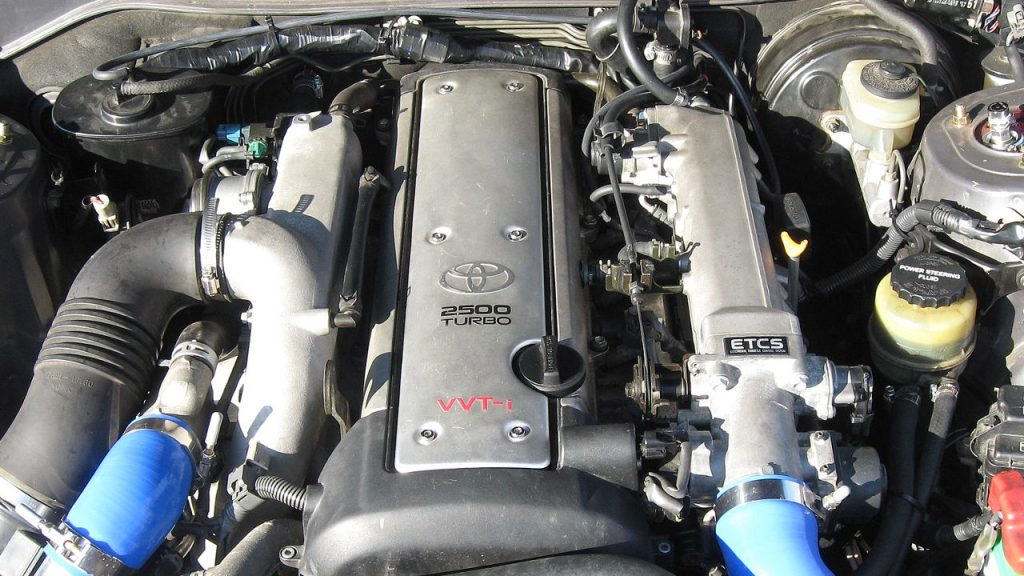
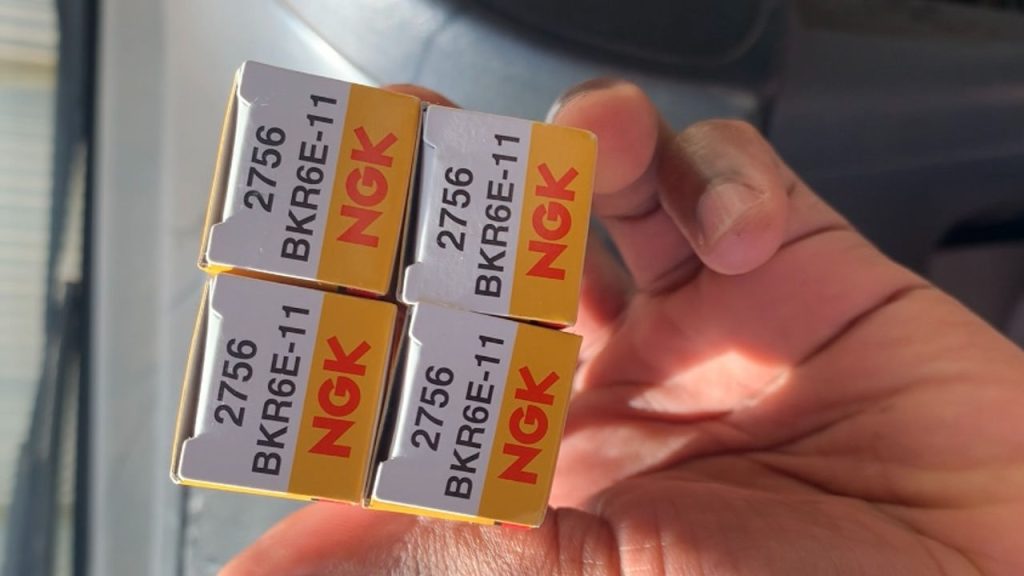
The first thing to do when your car jerks when accelerating from a stop is to inspect and replace the air filter, check and replace the fuel filter, and consider a fuel system or injector cleaning service. These are simple fixes that often help with jerking issues. Also, check the spark plugs and ignition components (coils, distributor cap, and lead wires). Old plugs are a common culprit and are an inexpensive fix for jerking issues.
Cleaning your car’s throttle body or MAF sensor (if it’s dirty) can help restore proper airflow and eliminate jerking. If the MAF sensor is faulty, it’ll most likely trigger a dashboard warning light. If all the above simple fixes fail, have a technician perform a full fuel pressure test to verify the fuel system is working correctly. If the fuel delivery is fine, inspect your exhaust system for a clogged catalytic converter or back pressure issues.
Don’t overlook the drivetrain, transmission, or mounts – especially if you have an automatic-transmission vehicle. If the jerk feels more like a buck or shift shock, it could be due to transmission issues, low fluid in the system, or clutch and mounting problems – especially if you drive a high-mileage vehicle.