It can be a little shocking, but then you notice your vehicle’s steering wheel vibrates when turning left. Most drivers expect their vehicles to vibrate at idle when there’s a problem – but when it happens while turning, it can be very confusing.
Well, a steering wheel that vibrates when turning left is almost always caused by an issue with the front-left wheel assembly. As such, a bad wheel bearing, worn CV axle, and uneven tire wear are signs that your vehicle’s suspension components are beginning to wear out.
If this has happened to you recently, don’t panic. This kind of vibration is common across many cars and is usually linked to your vehicle’s rotating parts that change load during turns. In this article, we’ll break down the most likely causes, how to diagnose each symptom, and what to fix immediately to solve the problem.
Most common causes why a steering wheel vibrates when turning left

According to most car owners through experience, your vehicle’s steering wheel vibrates when turning left due to uneven tire wear or tire separation. Here’s the truth. Turning left shifts the vehicle’s weight onto the front-right and unloads the front-left, as a result exposing tire irregularities. To test this, rotate your vehicle’s tires and see if the vibration shifts or disappears.
Also, if your vehicle has a bad wheel bearing (often identified by left-turn load changes), turning left places lateral pressure on the right wheel bearing, making the vibrations more noticeable. Some symptoms include humming while driving straight and vibration while cornering. This can be a safety concern since failing bearings can seize.
“Rotate your tires and see if the problem moves with the tire. If so, it’s the tire or rim. If not, you would want to look into your wheel bearing or possibly ball joint for that side. Also, having the alignment checked would be a good start,” an owner on Reddit responded to a similar steering wheel vibration query.
A worn CV axle can cause shaking that worsens, especially when making turns. As a result, when the vehicle is turned left, the weak right-side axle is exposed, leading to vibrations during cornering. Also, a slightly bent wheel or axle shaft can cause rhythmic shaking that worsens at speed or during cornering. The best way to diagnose this issue is through visual inspection or by visiting a tire shop and using wheel-balancing equipment.
When your vehicle’s tie rod ends or ball joints are failing, they create side-to-side vibration, especially when making turns. To determine if this is truly the issue, you’ll notice clunking and wandering steering, and your tires will show uneven wear. Additionally, while warped tire rotors will shake during braking, they may also vibrate slightly during turns due to lateral runout.
How to diagnose steering vibration and when to see a mechanic
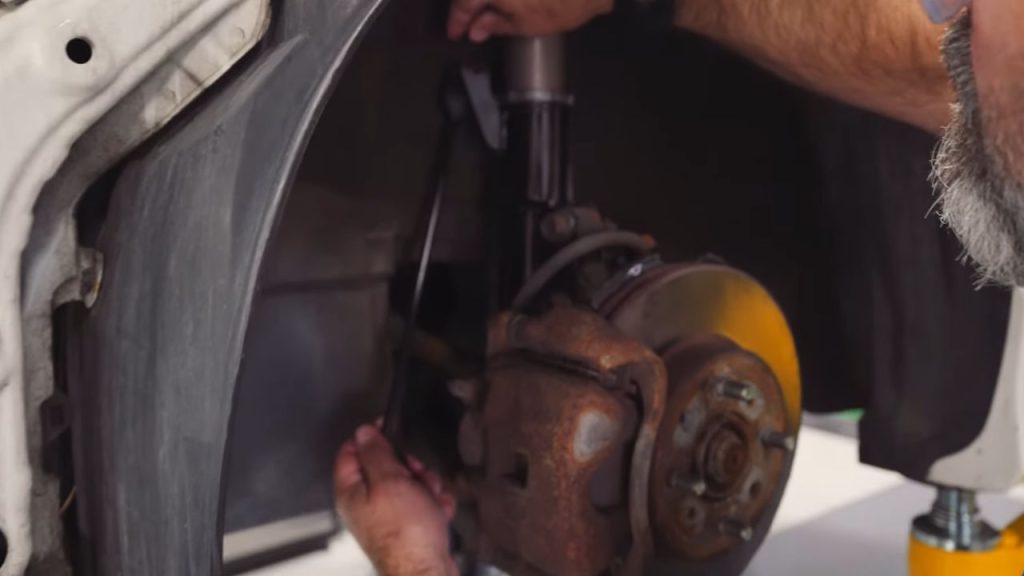
When you notice your steering wheel vibrates when turning left, the first thing you need to do is check for uneven tire tread, bulges, cups, or flat spots. Rotate the front tires to the rear, and check if the vibrations move or disappear. Put your car on a lift and wiggle the affected wheel at 12/6 o’clock – listen for humming or grinding while driving.
Inspect the CV axles and look out for torn boots or grease splatter – note clicking noises or vibration during sharp turns. Next, examine the suspension joints and control arm bushings for play, and have a shop perform wheel balancing and rim runout.
If you’ve done all these and your vehicle’s steering vibrates when turning left, hums while driving, or you can detect a clicking noise, visit a professional mechanic immediately. Typically, a steering wheel that vibrates when turning left is a fixable, tire, or axle issue.