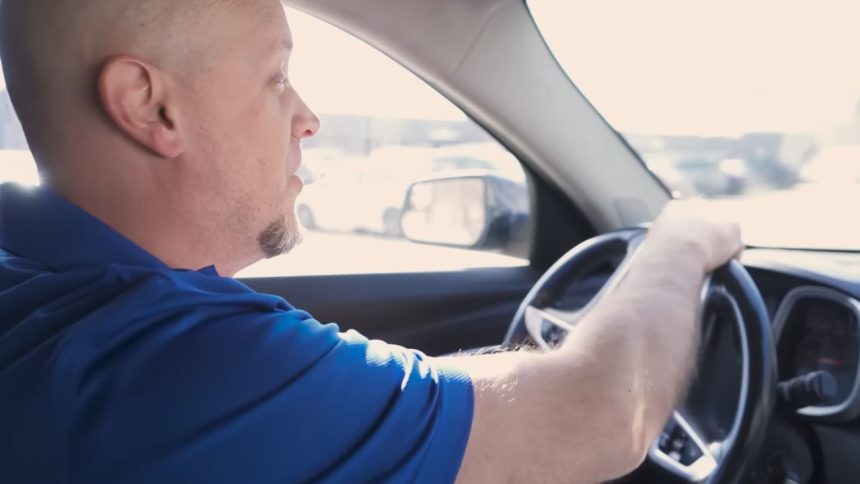
A clicking noise when turning at low speeds – especially during sharp turns is usually caused by a worn-out CV joint. However, other issues, such as loose suspension components, damaged wheel bearings, faulty tie rod ends, issues with the strut mount, or low power steering fluid, can also be a cause.
It’s essential to note that his kind of problem can be diagnosed easily (even from the comfort of your home) with a few simple checks.
We’ll break down each of these symptoms, explain how to confirm the cause, what to do next, and possible fixes. We’ll use our own extensive research, recommendations from expert mechanics, and experiences shared by other car owners from popular car forums.
Reasons there is the clicking noise when turning at slow speeds
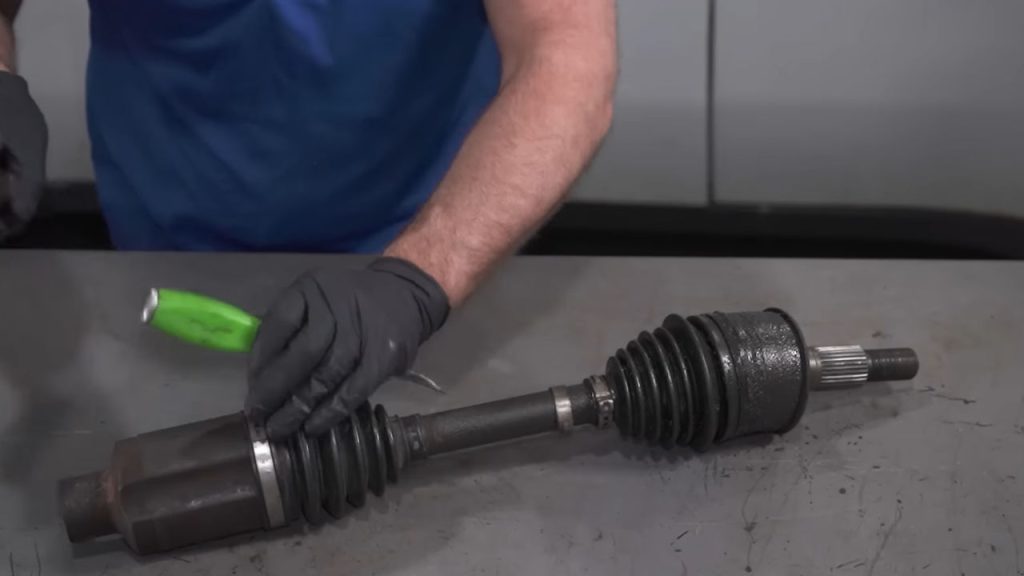
The most common culprit for a clicking noise when turning at slow speeds is a worn-out CV joint. The Constant Velocity (CV) joints use internal ball bearings (or rollers) and a cage mechanism to transmit smooth, constant power to the wheels, even when the axle is at an angle. The clicking noise (when damaged) is caused by the internal, hardened steel parts skipping and catching in worn grooves due to contamination and lack of lubrication.
The clicking sound will be more pronounced during slow turns because the joint angle is maximized, and the movement of the skipping parts is more noticeable at lower rotational speeds. Therefore, if the clicking noise is caused by a worn CV joint, you will hear repetitive clicking at full lock, see grease around the wheel, and notice vibration when accelerating.
Other possible causes of clicking noise when turning at low speeds could be damaged or loose suspension components (create a clicking noise when loose of damaged, for example, strut mounts, ball joints or the sway bar links), wheel bearing issues (grinding can lead to intermittent clicks), power steering system issues (low fluid or failing pump) or brake system issues.
Based on our research across popular car forums and mechanic discussions, 80% of cases with a clicking noise at low speeds involved the outer CV. Multiple threads on car forums show that clicking only during full-lock turns almost always indicates CV joint wear. Additionally, cases where drivers recently hit potholes or curbs often involved bent suspension parts rather than CV joints.
“I’ve done a lot of them, but I was a mechanic for a long time before changing careers. Axles themselves aren’t too expensive, think my last one was around $130 for my ‘16. If you have the tools and time, it’s a pretty simple job,” a former mechanic responded to a similar query on Reddit, advising to replace the CV axles.
How to diagnose and fix the clicking noise
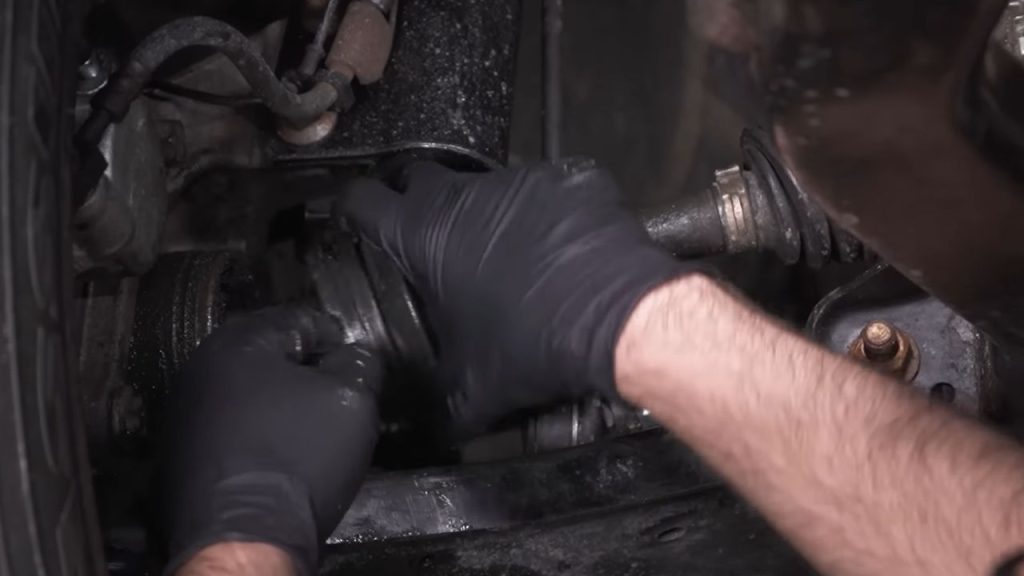
It’s very simple to diagnose the clicking noise if it is caused by a worn CV joint. Here are a few checks you can do at home. First, turn the wheel left and right in a parking lot – note when the clicking occurs. Inspect for CV boot tears or grease splatter. Also, open your hood and check the steering fluid level.
Sometimes, the noise is caused by wheel lugs not being tightened. Improperly torqued wheels will cause a clicking noise. Also, watch out for clicking noise when reversing only – this is also another CV joint issue.
You’ll need to see a professional mechanic if you notice the noise getting louder over the days or wheels. Also, if the car vibrates when accelerating, it could be a symptom of a bigger issue. If you see grease leaking near the axle or the clicking is accompanied by a clunk over a bump, this could point towards suspension wear.