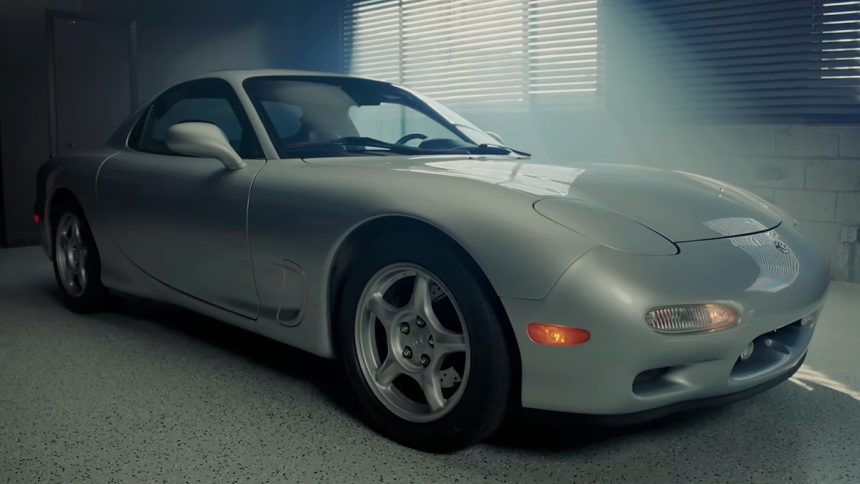
For decades, Mazda occupied a unique space in the automotive world. It wasn’t Toyota-level reliable, Honda-level practical, or Nissan-level mainstream. Instead, Mazda built its identity around something far less measurable: fun.
From the lightweight MX-5 Miata to the legendary FD-generation RX-7, Mazda earned a cult following by making cars that felt alive. The company’s old “Zoom-Zoom” philosophy wasn’t just marketing. It was reflected in rear-wheel-drive sports cars, screaming rotary engines, and even ordinary commuter cars that somehow felt more engaging than their rivals.
A sweetspot below premium, but affordable
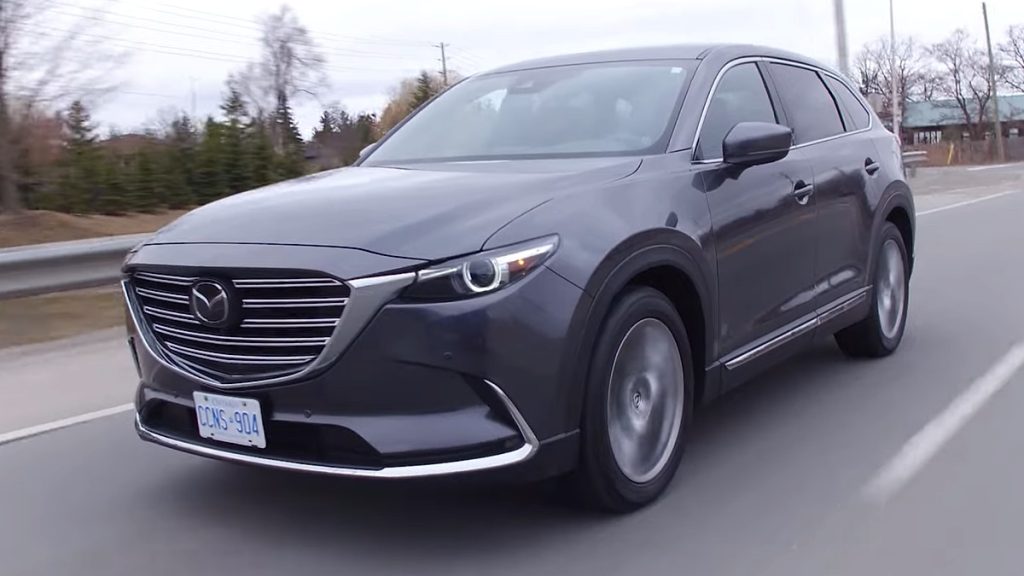
Today, however, many enthusiasts believe Mazda is chasing something else entirely: premium buyers.
A recent discussion on Reddit’s Miata community captured this growing frustration. One highly upvoted comment argued that Mazda now sees itself as a “grown-up” car company, forgetting that it built its reputation on some of Japan’s most entertaining cars. The commenter noted that before the current Miata nostalgia wave, Mazda was known for “insane rotary cars” that were exciting to drive, even if they were impractical.
The criticism isn’t entirely unfounded. Mazda has openly spent the last several years repositioning itself as a premium brand. The CX-70 and CX-90 are filled with upscale materials, sophisticated interiors, and pricing that increasingly pushes into entry-level luxury territory. Mazda executives have even described the company’s goal as becoming a “mainstream premium” automaker rather than a traditional economy brand.
The problem is that enthusiasts remember a different Mazda.
They remember the FD RX-7, a twin-turbo rotary masterpiece that became one of the most iconic Japanese sports cars ever built. They remember Mazdaspeed models, which injected turbocharged excitement into otherwise affordable cars. They remember when even a Mazda3 felt sportier than most compact sedans.
Ironically, the Miata remains the one car still carrying that torch. Industry reviews continue to praise it as one of the purest driver’s cars on sale today, proving Mazda still knows how to build fun when it wants to.
Yet that’s exactly what worries enthusiasts. The Miata increasingly feels like the exception rather than the rule.
Miata might be Mazda’s last driver’s car

While Mazda continues teasing rotary-powered concepts and possible RX-7 successors, enthusiasts have spent years watching beautiful concepts come and go without reaching production. The company’s lineup is now dominated by crossovers, while its performance heritage survives largely through memories and one small roadster.
Mazda may be finding financial success by moving upmarket. Sales suggest the strategy is working. But for many enthusiasts, the brand that once built rotary legends and affordable performance heroes now seems more interested in soft-touch dashboards than adrenaline.
And that’s why, in 2026, the Miata doesn’t just feel like Mazda’s most fun car.
It feels like the last remaining piece of the old Mazda.