If you stumbled upon this post while looking through Porsche 996/977 Turbo searches and got a mini-heart attack – sorry, we did not mean to scare you. If anything, this piece serves as a helpful tutorial for those looking to get a Porsche 996/997 Turbo – it could also help you prepare for what might come, especially if you are getting a car with an uncertain history.
Top Auto Nick, a certified Porsche mechanic who also runs a YouTube page sharing his vast knowledge of Porsche to his subscribers, recently uploaded a very informative video on what to expect in your Porsche 996/997 Turbo – especially for inexperienced owners.
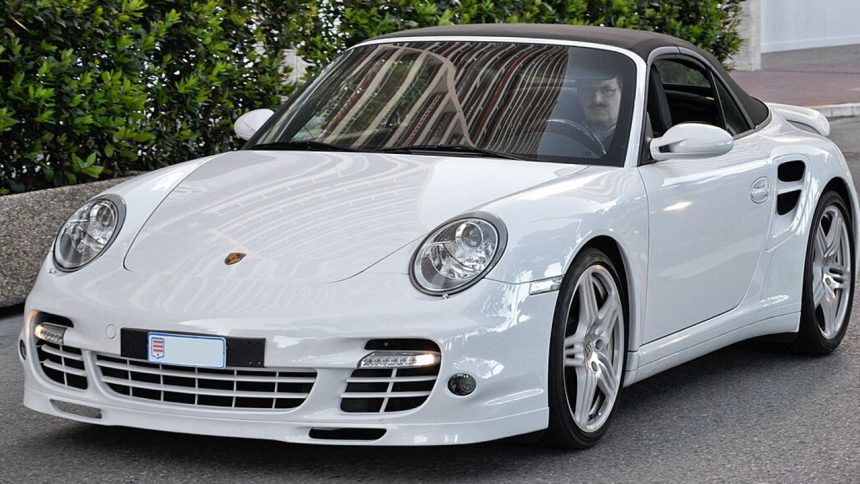
The Porsche 996(1999-2005) and the 997(2005-2012) Turbos are some of the most iconic generations of the all-wheel-drive twin-turbo 911, with the 996 offering a raw analog feel (often with the Mezger engine) and the 997 providing a more redefined, technologically advanced and powerful experience especially in its “.2” (post 2009) form with direct fuel injection (DFI) and PDK transmission.
The Porsche 996/977 Turbo is, in itself, a very fantastic car. If anything, they’re going up in value. A quick look at popular auction sites reveals that an average 996 with low mileage (below 50,000 miles) costs around $70,000, while the cheapest (a 2002 Cabriolet) sold for about $25,000 with more than 180,000 miles on the odometer. However, guys are buying them oblivious to the maintenance that comes with them.
20-year-old Porsche 996/997 parts that need replacing

Still, even though $70,000 is a steal for a Porsche with only 34,000 miles (a new 911 Turbo costs more than $200,000), most of these new buyers forget they are buying a lot of old stuff. For example, old hoses, old expansion tank, fuel filter – basically, old everything. According to the certified technician, some of the most significant issues they see with the Porsche 996/997 that come to his shop are suspension problems. Most 996/997 come to the shop with old shocks, bushings, and control arms – these suspension components are only suitable for about 10 years.
If you’ve just got a new 996/997, get the undercarriage inspected immediately. Most components in the undercarriage need to be replaced. For instance, the turbo shields, waste gates, and turbo actuators are almost always rusted out or missing (due to rust and corrosion), which also affects the bolts and hardware that hold them in place.
Also, the coolant fittings on the engine will pop out – the best fix is pinning. You’ll also need to do a clutch system bypass. It’s not about turning off the AWD, but about modifying or eliminating the factory power-assisted clutch slave cylinder – that’s known to be a weak point, leading to a mushy pedal and poor feedback. Getting the standard DOT 4 is the best upgrade you can get for these.
Simply put, there’s a lot of investment to be considered when buying these $50,000, $60,000 Porsche 996/997s, and according to Top Auto Nick, you’ll need to factor in about $30,000 to get it to top condition.
“For example, engine mounts, rollers, everything just goes old. Just think of it this way. You have a 2000 car, that over twenty-five years old, things are going to be old. When things are old, things will deteriorate, and you are going to have to fix all these components,” Top Auto Nick explained.
Therefore, before you buy a Porsche 996/997 Turbo, just remember, if you don’t fix these components when you buy your car, it will bite you hard.