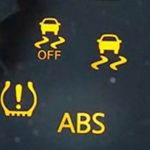
Seasoned drivers already know that driving with the ABS light on isn’t such a big deal – if anything, vehicles have been in production for years before the Anti-Lock Braking System (ABS) was introduced. With that in mind, yes, you can drive with the ABS light on, but with significant caveats.
Your vehicle’s braking system will still work even if the ABS light is triggered on your vehicle’s dashboard. However, you will be losing the extra safety margin that the Anti-Lock Braking System offers modern vehicles – wheel lock prevention and improved steerability during emergency braking.
Here’s the truth. Many drivers believe that a warning light on the dashboard means stop immediately – while it might be the best line of action, especially with a CEL (Check Engine Light), Low Oil, or overheating, with the ABS, it is more nuanced. Still, it is crucial to understand the risk. We’ll explain in detail why it is possible to drive with the ABS light on, and what measures you should take when you notice this safety warning light in your vehicle.
What the ABS light means and what you are risking when driving
Every light on your car’s dashboard has a meaning – it’s the vehicle’s way of communicating with the driver. Consequently, when messages intended for the driver are ignored, there are usually expected consequences.
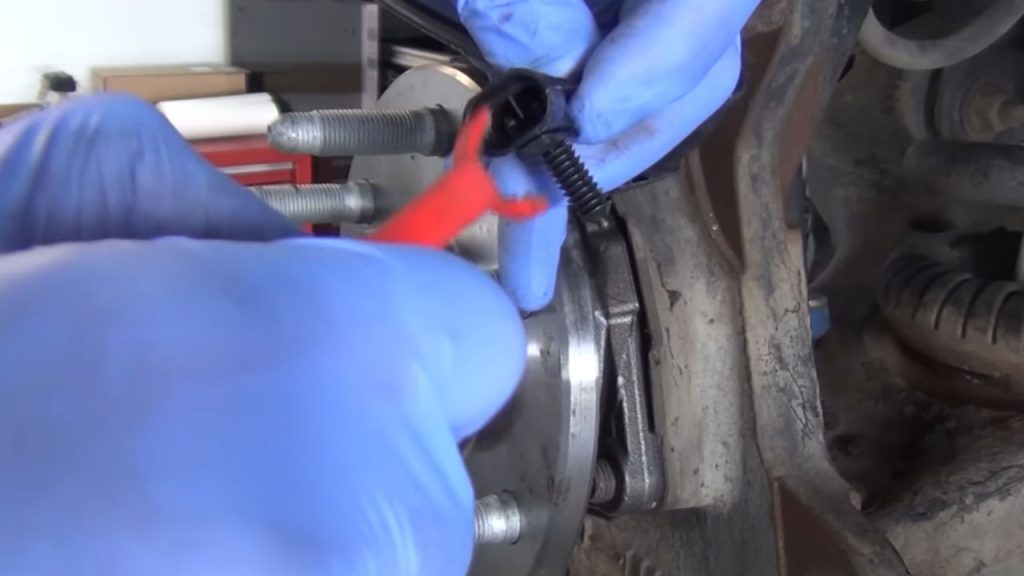
The ABS light on a car’s dashboard is a potential malfunction with the Anti-Lock Braking System, which could compromise the system’s ability to prevent wheel lock-up during extreme braking. A fault in the ABS system can be caused by a faulty wheel speed sensor, a damaged control module, wiring, or low brake fluid. Still, it is essential to note that a fault in this system doesn’t affect regular braking, and the driver will still be able to stop the vehicle under normal conditions.
However, without the ABS, you risk losing the automated ability to prevent wheel lock-up during panic braking or driving over slippery surfaces, and the vehicle may skid or lose control. Additionally, the stopping distance may increase, and the driver’s ability to steer the vehicle during braking may be compromised.
The ABS is a critical vehicle safety feature that is important when driving in rain, snow, or on any low-traction surface. This safety feature is also critical during demanding emergency braking situations. Consequently, if the ABS light is on and the regular brake light warning is also on, it could indicate a faulty brake system, and it is advisable not to drive the vehicle.
What to do when the ABS light comes on

You could be driving down the road and suddenly notice the ABS light on. Depending on your vehicle, the ABS and Traction Control lights may illuminate simultaneously. It is advisable to drive with extra caution, leaving more space between the vehicle and the one ahead. Also, reduce speed and avoid heavy or sudden braking.
Make sure you check all the warning lights. If you notice the brake system warning light, the best course of action is to tow the car rather than drive it. Visit your nearest repair shop and ask your mechanic to scan the ABS module for errors, check the vehicle’s wheel speed sensors and wiring for corrosion or rust, and confirm the brake fluid level.
It is okay to drive your vehicle temporarily with the ABS lights on – but it should be a temporary measure, and you should treat the situation as a reduced-safety situation and schedule your vehicle for a brake system checkup immediately.