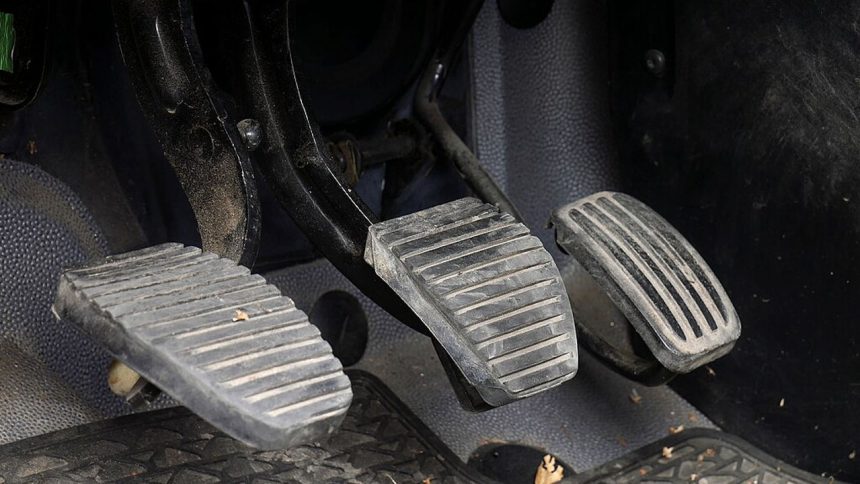
You are driving your car down the street, and suddenly, out of nowhere, your brake pedal feels soft. When you press the brake pedal, your foot sinks in, and the pedal feels spongy. If you are panicking, you should, because this is a serious safety concern that can signal serious trouble.
While often overlooked, this can be a symptom of a failing ABS pump. A faulty ABS vacuum pump specifically contributes to a soft pedal because it struggles to maintain the correct hydraulic pressure. Since this pump provides vacuum for your ABS (or brake booster), when it fails, it can lead to a soft or sinking pedal feel.
So, why does this matter? Well, if you ignore this symptom, it could potentially compromise your vehicle’s brake assist, increase pedal travel, and ultimately make braking less reliable, which is a significant safety risk for both the driver and the occupants of the vehicle, as well as other road users.
Why your ABS Vacuum Pump could be the problem
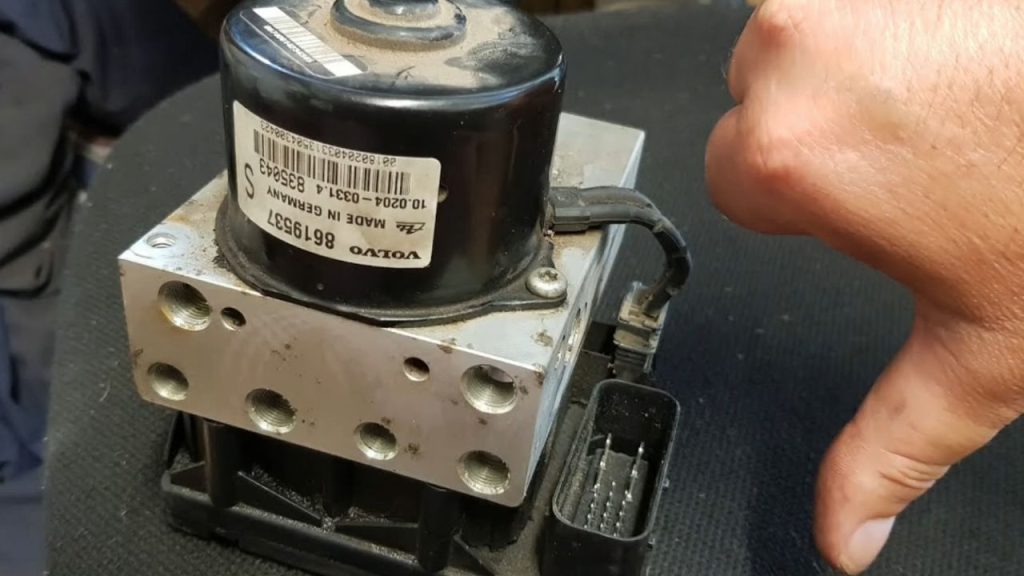
A failing ABS pump significantly contributes to a soft pedal because it struggles to maintain the correct hydraulic pressure within the system. Still, a spongy brake pedal feel could be caused by a host of reasons, including air in the brake lines. Therefore, to make sure your ABS vacuum pump is the reason that makes your brake pedal feel soft, you’ll need to follow a few diagnostic steps.
The first line of action is always to check for error codes or warning lights on your vehicle’s dashboard. If the ABS light is on, scan the system for error codes using an OBD-II scanner. This is the best way to detect ABS pump or module defects – ABS module defects or internal leaks can mimic soft pedal symptoms.
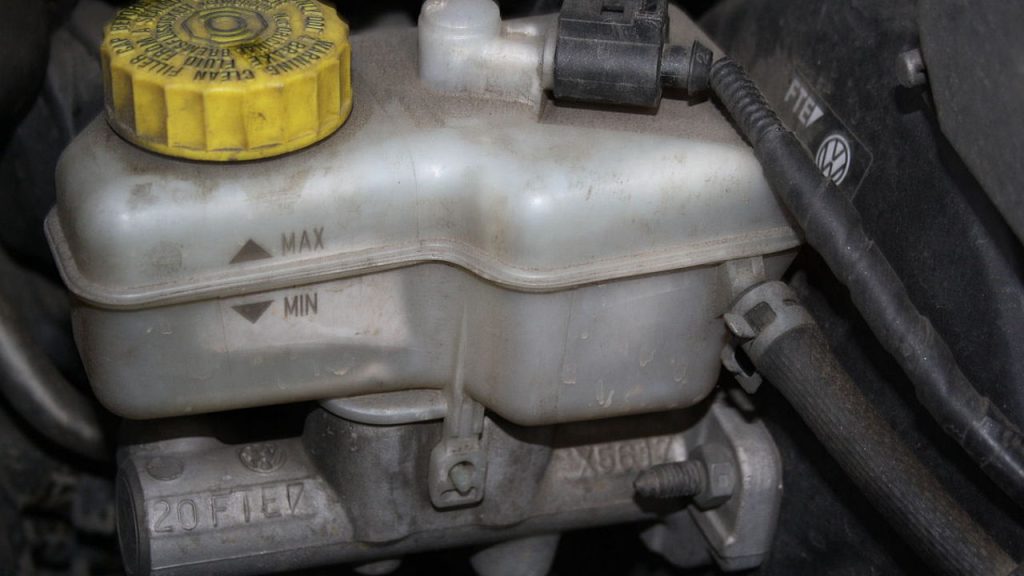
Next, inspect your vehicle’s hydraulic system first. Firstly, check your brake fluid level and look for leaks in the lines, calipers, and master cylinder, as these can cause pressure loss in the system and make the brake pedal feel soft. Since air is compressible, it can cause a spongy feeling in your brakes. Check for air in the lines. Test your vehicle’s master cylinder by pumping the brake pedal several times, and hold it with the engine off – if it sinks, an internal leakage in the master cylinder could be the culprit.
Additionally, evaluate your ABS and vacuum system. If your vehicle uses a vacuum-assisted ABS system, test the booster or pump by turning off the engine and pumping the pedal to exhaust the stored vacuum. Next, press and hold. If the pedal falls away only when the engine is running, it could point to vacuum system issues. Inspect the system for vacuum leaks and cracked lines to the pump or booster, as they can affect brake assistance. Also, check for internal ABS block or pump leaks. Sometimes, the fluid leaks are not external but internal, resulting in pressure loss, making the brake pedal feels soft.
How to fix ABS pump issues leading to the brake pedal feeling soft
A soft or sinking brake pedal is a critical safety issue, and it is advisable that you do not continue driving the vehicle until the issue is resolved. However, depending on the diagnosis, it is essential that you properly bleed your braking system. If you have a scan tool, cycle the ABS valves during the bleeding process to ensure no trapped air remains in the system. Consider finding a second person to assist with bleeding, or at least use a vacuum bleeder for thoroughness.
Repair or fully replace any faulty components in the braking system. If the ABS pump is failing, replace or rebuild the vacuum pump and module. If the vacuum lines or the booster check valve are leaking, replace the faulty valves and lines. Check your master cylinder for internal leaks and consider rebuilding or replacing it.
After you have replaced, repaired, and bled the braking system, re-can for ABS codes, and test for pedal feel both with the engine on and off. Re-bleed if needed. A rule of thumb is to always check your brake fluid level; dirty fluid often indicates internal ABS issues. When performing routine brake service, request ABS bleeding – if you have a scan tool, you can do it yourself. Constantly monitor your ABS warning light, never ignore intermittent or creeping ABS softs. Lastly, if you notice your vehicle’s brake pedal feels soft, get professional help immediately.