When your ABS and Traction Control lights illuminate simultaneously, it usually means that a shared component or a sensor in the vehicle’s stability/braking system has detected a fault and, as a result, disabled both systems’ ability to function properly.
Even though the car will still maintain its ability to brake, both the Anti-Lock Braking System (ABS) and Traction Control System (TCS) will be compromised, reducing your car’s safety margin in case of slippery or emergency braking situations. For example, if you have a worn-out or bad wheel speed sensor, both the ABS and Traction Control lights will come on on most modern vehicles.
In the following slides, we will unpack how these systems are connected, what common faults trigger these safety features to appear on the dashboard at once, and what precautionary measures you can take when they do.
How are ABS and Traction Control linked?
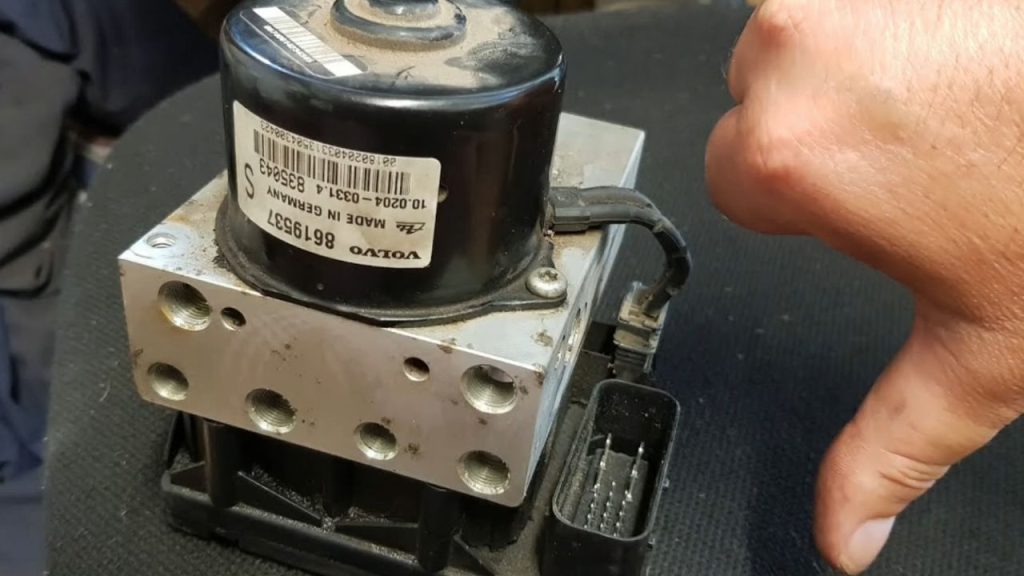
The ABS feature in your vehicle relies on wheel speed sensors and a control module to monitor wheel lock-up when you press the brake pedal. The wheel speed sensors monitor each wheel’s rotation speed and transmit the data to the ABS control module. When the control module detects the wheel is losing speed quickly (indicating a lock-up), it sends signals to the hydraulic modulator to rapidly pulse the brake. It does this by releasing and reapplying brake pressure to prevent wheel lock and help the driver maintain steering control.
The traction control system also uses the same wheel speed sensor and, depending on the make and model of your vehicle, the same control module to monitor wheel slip and intervene when traction is lost. Therefore, since both safety systems use the same sensors or modules to function, they will likely trigger both lights when there is a failure in the connecting components.
For example, a faulty wheel speed sensor will send incorrect (or no data at all), and as a result, both the ABS and Traction Control may go offline. Also, if your vehicle has low brake fluid or is experiencing hydraulic issues, this is primarily an ABS fault, but a braking system fault will be triggered, disabling the traction control feature. A problem with the ABS control module, a bad ground connection, will also disable their safety systems and trigger both the ABS and Traction Control lights.
What to do and why it matters
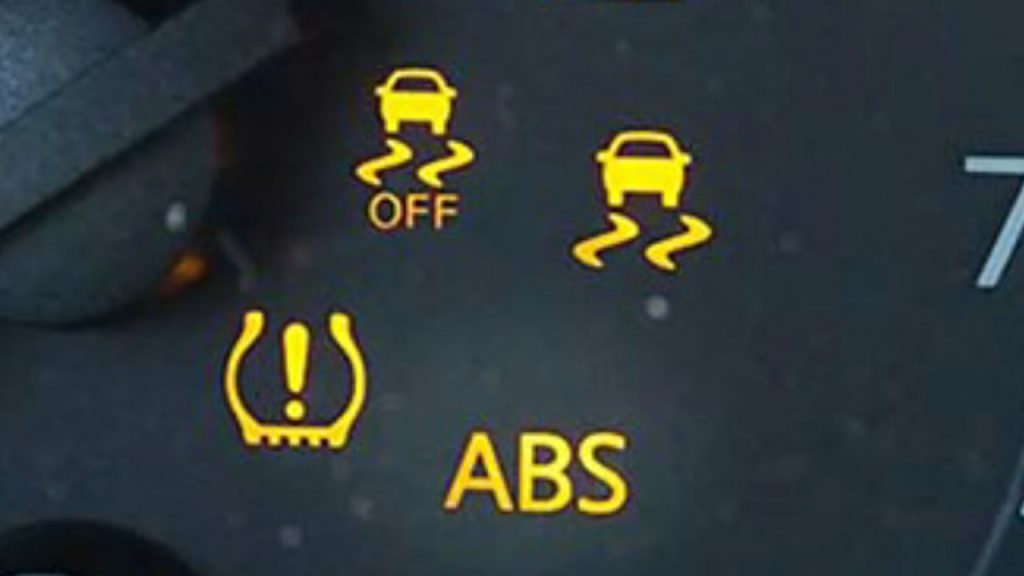
Both ABS and the Traction Control System are critical safety features that come in most modern vehicles. In case they are disabled, you lose advanced safety aids on slippery roads, and you may also experience longer stopping distances or, worse, lose steering control during hard braking.
In case both your ABS and traction control lights illuminate simultaneously, do the following. First, check if basic braking on your vehicle still works. In normal circumstances, it’ll work, but without the aids. Avoid aggressive driving, especially on wet, icy, or loose surfaces—keep a greater distance, brake gently, and avoid sudden maneuvers.
Visit your nearest repair shop and have a mechanic scan for fault codes, inspect wheel sensors, wiring harnesses, brake fluid level, and the ABS control module. It’s important that you do not ignore these warning lights – even if they pop up just once. The root cause may worsen, leading to a full system failure.