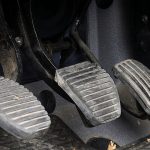
Is it really possible that a bad brake light switch can trigger ABS and TC warning lights? While it sounds puzzling, it does happen. A faulty brake light switch doesn’t just affect whether the brake light comes on – it also has the capability to fool critical safety features like ABS and Traction Control (TC), popping up on your dashboard.
Here’s the thing. When your brake light switch is bad, your vehicle’s computer may think you are constantly braking (or never braking). This, in turn, disrupts the logic used by the ABS and TC systems and, as a result, triggers their warning lights.
Does it really matter? Well, as simple as it sounds, this isn’t just a minor annoyance if left unaddressed; it could potentially disable or degrade your vehicle’s ABS/TC function, which could lead to expensive out-of-pocket expenses in the future.
Technical explanation of how your brake light switch can trigger ABS and TC warnings
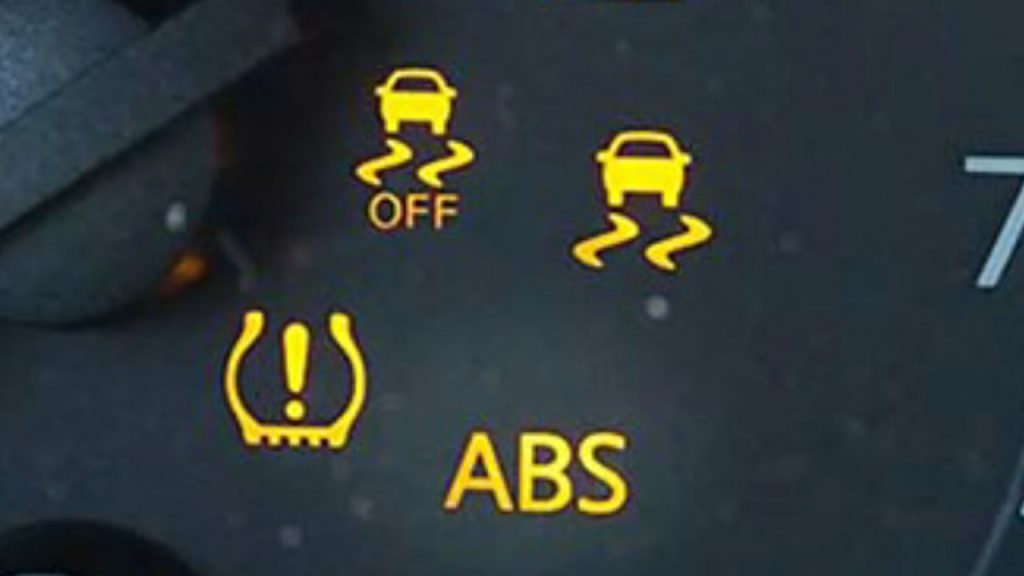
A faulty brake light switch can trigger the Anti-lock Braking System (ABS) and Traction Control (TC) warning lights because both these systems rely on the switch’s signal to operate directly. Your vehicle’s brake switch is a spring-loaded, two-piston electric switch that is activated when you press the brake pedal. It sends signals to your car’s ECU as well as other modules to perform actions like turn on the brake lights, as well as, disengage cruise control, or enable the gear shift to move out of park. As such, it doesn’t just light up the brake lamp, but also doubles up as a safety feature.
In some vehicles, a failing brake light switch can trigger ABS and TC warnings. This can be due to simple issues, such as moisture ingress. Additionally, if the brake light switch is not functioning correctly, your vehicle’s ABS module may receive incorrect or missing signals from the brakes, triggering a “safe-fail” mode. As a result, disabling the ABS function triggers dashboard warnings. When the switch doesn’t confirm braking, the ABS module may assume a fault and shut down.
Still, it is essential to note that other factors can cause your ABS and TC warning lights to pop up, including a bad wheel speed sensor, low brake fluid, worn wiring, or issues with the ABS module. Unfortunately, since the brake light switch is less obvious, it is often overlooked during diagnosis compared to a sensor failure.
Diagnosis and fixes
Several car owners on popular automotive forums like Reddit have reported that replacing the brake switch caused the ABS and Traction Control warning lights to go off.
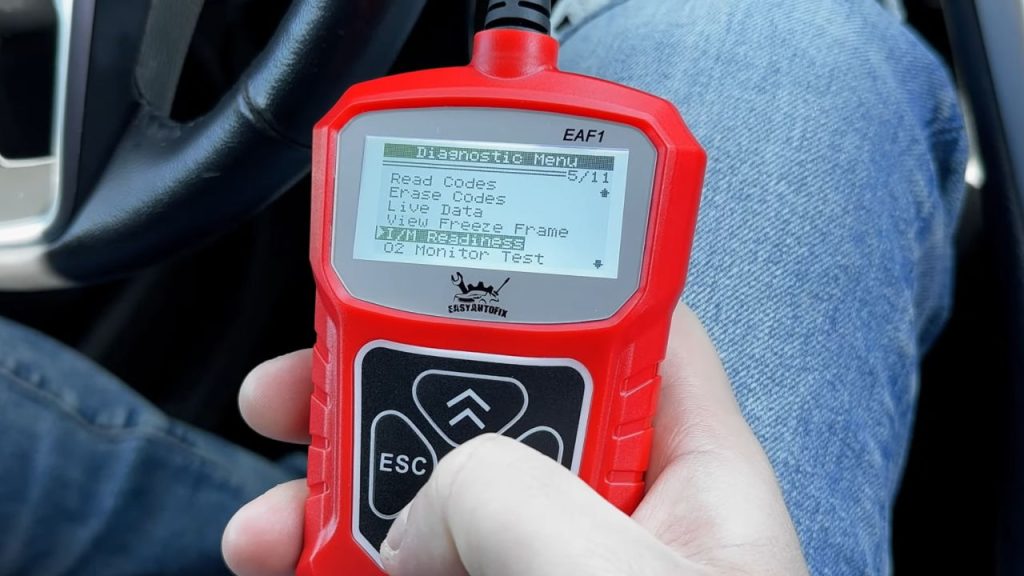
To determine the root cause of the issue, it is advisable to first scan the codes with an OBD-II scanner and read the ABS/TC fault codes. Next, physically test or inspect the brake light switch and make sure it works correctly – check for corrosion, moisture, or sealing issues. Also check wiring and fuses for connection issues – sometimes, something as simple as dirt on your brake switch can trigger ABS and TC warnings. Brake light switches are relatively cheap and often easy to replace compared to an ABS module. However, ignoring these issues may lead to more costly repairs in the future and even compromise your vehicle’s safety.
A rule of thumb is to inspect the brake light switch during regular maintenance, especially on older model vehicles. If they have issues, replace them and clear the error codes afterward. Test drive your vehicle to confirm the lights stay off and that the warning lights were indeed caused by a faulty brake switch.