It might be a little puzzling to most car owners to have a grinding noise at low speeds but brakes are new. After replacing worn-out brakes, most car owners expect a steady braking experience – but when they hear a grinding noise, it might be cause for concern.
However, even with new brakes, grinding at low speeds can mean something beyond worn brake pads – it could be a bedding-in period, debris, surface rust on the rotors, or dirt trapped in your vehicle’s braking system. Worse, the brake pads could have been improperly installed, and you might be experiencing a wheel or rotor issue.
Fortunately for you, in this piece, we’ll let you in on the most common reasons for the noise, especially when the brake pads are new, and how to diagnose and fix them.
Why new brake pads can grind at low speeds

The most common reason your new brake pads are grinding at low speeds is debris, dust, or small rocks stuck between the rotor, pad, and caliper. Sometimes during replacement, or while driving on rough or all-weather roads, small bits of dust, stones, and metal fragments might find their way into your braking system and, as a result, produce a grinding noise, even though the brake pads are brand new. The grinding noise will also occur if the protective dust shield or backing plate is slightly bent and rubbing against your vehicle’s rotors.
If your rotors have rust or corrosion, especially if the car has been parked for a while, they may have been exposed to moisture and rain, which can cause surface rust. When you press the brake pedal at low speeds, this layer of rust can cause a grinding noise. It doesn’t matter if you’ve replaced brand new brakes on all wheels; if the rotors haven’t been resurfaced or replaced, shallow rust or pitting may remain, leading to grinding. This may continue until the surface is smoothed out (or better yet, cleaned and replaced).
Sometimes, during a brake service, the caliper pins, shims, or pads don’t sit properly. A loose clip, or misaligned shim, may produce metal-to-metal contact, especially if you are braking slowly. Additionally, if the caliper bolts or backing plates were not lubricated properly, the brake pads may drag or rub unevenly on the rotors, producing a grinding noise, even if the pads are new.
There’s also the possibility that your vehicle’s rotors are warped, grooved, or scored, which can cause a grinding effect on new pads. Also, installing subpar rotors and pads, or mismatched pad and rotor materials, can cause abnormal grinding during low-speed braking.
Note: In some rare cases, the grinding noise might not even be due to the braking system at all. Worn wheel bearings, damaged CV joints, or suspension components can produce a grinding noise at low speeds.
What to do when the grinding noise persists after installing new brake pads
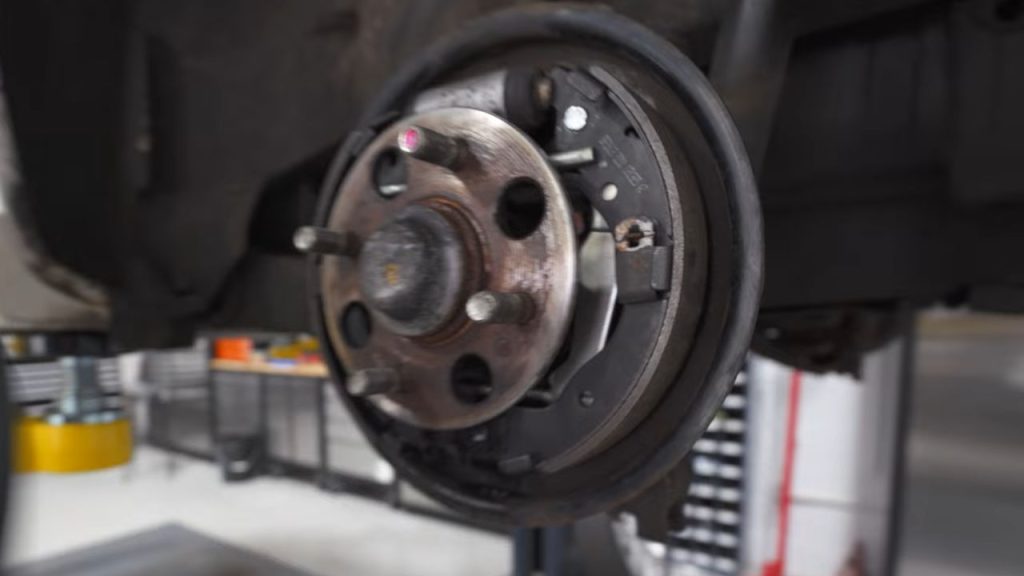
The first thing you need to do is to remove the wheels and inspect between your vehicle’s rotor and calipers for rocks, metal shards, or buildup. Clean to satisfaction. Also, check that the dust brake dust shields, backing plates, and pad clips are correctly positioned and not bent.
Rotors are a common source of grinding noise, especially when the brake pads are new. Examine the rotors for grooves, uneven wear, rust, or pitting. If your vehicle’s rotor surface is rough or warped, you may either need to resurface or replace it. Also check that the caliper pins and slides were lubricated correctly during installation and that the bolts were fastened. If not, pad drag or misaligned pressure may cause metal-on-metal contact and a grinding noise at low speeds.
“The brake pads were wearing unevenly, and I was looking at them from the side with material left in them. I ended up putting on new pads and calipers since the calipers hadn’t been done in a while.” An owner confessed on Reddit about a solved brake grinding issue at low speeds.
If the problem persists, then the problem might be in the wheel bearing, CV joints, suspension, or other drivetrain parts – primarily if the grinding occurs while turning. Drive your vehicle to a repair shop and ask the technician to perform a comprehensive undercarriage inspection if all the above fixes don’t work.