As the seasons change from warm to extremely cold, low temperetures, ice or snow build up around your vehicle’s wheel speed sensors (and related wiring/connectors) can send false data to related modules forcing your ABS (Anti-lock Braking System), TC (Traction Control) warning lights to pop up on your dashboard – even though your braking system itself may be in good health.
How does that happen? Well, cold-weather ice and snow build-up around the wheel-speed sensors triggers ABS/Traction Control lights since it disrupts the sensor’s ability to accurately monitor your vehicle’s wheel rotation. As such, your car’s computer will register a fault, triggering the warning lights on your dashboard as a result.
In this article, we’ll get down to how this happens, why your ABS/Traction Control lights are triggered, and what you can do right away to fix or prevent these issues in the future.
Why ice build-up causes ABS and Traction Control light to turn on

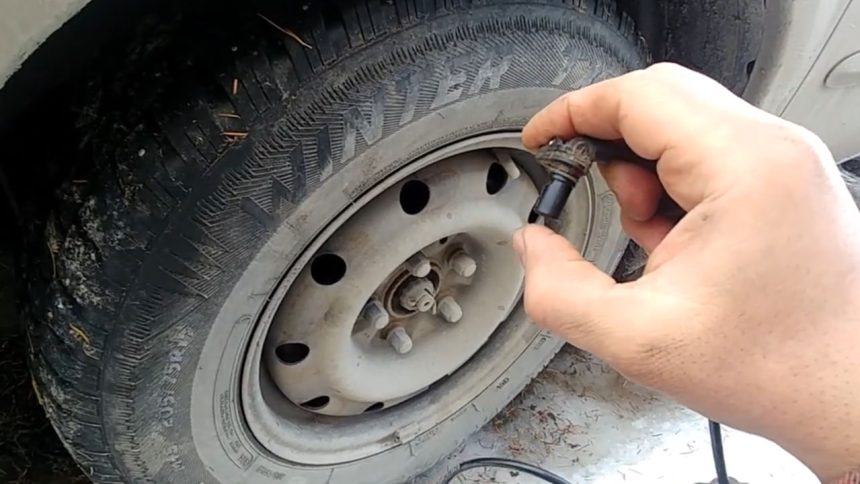
Modern vehicles feature wheel speed sensors paired with control modules in the ABS and Traction Control Systems. These sensors work by monitoring individual wheel rotation to detect slip or lockup, sending data to the ABS/TC control unit. Therefore, when ice or snow accumulates around the sensor ring, tone wheel, or sensor housing during winter, it can block or distort the signal from the sensors to the modules.
“If snow got packed up in one of the rings (easy to envision if you were playing around in some snow for a while), it will cause the sensor not to properly sense the speed, so the computer shuts down the systems that rely on that sensor (ABS, Traction Control, Stability Control). Some time above freezing should easily cure this issue,” an owner responded to a post on Reddit about a vehicle that threw ABS warning lights after drifting on snow.
Moisture and condensation around the connectors or sensors can freeze and interrupt signal readings, sending erratic signals. During extreme cold weather, wires can expand and contract, leading to marginal contact and fault codes. Additionally, when driving over icy surfaces, the vehicle’s sensors may detect wheel speeds it considers ‘implausible’ and trigger dashboard fault codes. As a result, when the control unit detects the missing sensor data, it will deactivate the ABS/TC (or limit its functions), triggering the warning lights.
Simple ABS/Traction Control warning light fixes and prevention during winter

If you’ve been driving over ice and notice your ABS and Traction Control warning lights on your dashboard, simply park your car in a warm garage (or run the engine) and let it thaw. Sometimes the light will go off once the sensor is freed from the ice. Thawing the sensor and resetting the cycle can clear the warning lights.
You can also inspect your vehicle’s wheel-hub area for slush or ice build-up around the sensor tone ring and clean it out. Sometimes the wiring and connectors near the wheel can corrode, and ice buildup may cause damage or intrusion. Check for these faults and replace any damaged parts.
For prevention purposes, make sure to clean the sensors before winter. You can use a gentle brush or compressed air to remove dirt and salt. Use sensor-safe anti-corrosion sprays, if available, on connectors to keep moisture out. And if possible, avoid aggressive driving or drifting in icy conditions if possible.
If thawing, cleaning, and inspection don’t clear the warning lights, and you notice unusual braking or traction behavior, visit a professional repair shop and have a technician scan the ABS module for faults. They can also check the wheel bearing and hub for play.