A year ago, Hyundai and Kia were producing some of the highest-rated electric vehicles on the market. Owners praised the Hyundai IONIQ 5 and Kia EV6 for their styling, performance, charging speed, and value, often awarding them ratings above 4 out of 5 stars.
Today, some of those same vehicles appear on Consumer Reports’ list of the least reliable EVs for 2026.
What changed?
Surprisingly, the answer may come down to a single component: the Integrated Charging Control Unit, or ICCU.
The reaction from owners has been mixed. While many acknowledge the ICCU problem is real, some argue Consumer Reports’ rankings exaggerate the issue by effectively penalizing multiple vehicles for the same defect.
“They literally just put Hyundai and Kia EVs because of the ICCU,” wrote one Reddit user discussing the rankings. “Yes it is a problem but there are many more unreliable terrible EVs out there.”
Consumer Reports has singled out several Hyundai, Genesis, and Kia EVs among the least reliable electric vehicles, with one issue appearing repeatedly throughout the rankings: the Integrated Charging Control Unit, better known as the ICCU.
Owners love the cars, Consumer Reviews concludes they are unreliable

The fall is striking because owner satisfaction and reliability are telling two very different stories.
According to Consumer Reports, surveys covering more than 380,000 vehicles found that between 2% and 10% of Hyundai and Kia EV owners experienced ICCU-related failures depending on model and year. By comparison, the average charging-related problem rate among other EVs was around 1% or less. The issue has affected vehicles including the Hyundai IONIQ 5, IONIQ 6, IONIQ 9, Genesis GV60, Kia EV6, and EV9.
The ICCU acts as a bridge between the high-voltage battery and the vehicle’s 12-volt electrical system. When it fails, owners can experience charging errors, dead 12-volt batteries, loss of drive power, or, in some cases, complete vehicle shutdowns. Kia and Hyundai have issued recalls affecting more than 145,000 electrified vehicles in the United States, yet complaints continue to surface.
One Hyundai owner quoted by Consumer Reports said, “I love the car, but when the ICCU fails, and it comes to a dead stop on the road, it is hard to want to keep it.”
That sentiment is echoed throughout EV forums and Reddit discussions. In a recent thread reacting to Consumer Reports’ 2026 reliability rankings, one user argued, “They literally just put Hyundai and Kia EVs because of the ICCU. Yes, it is a problem, but there are many more unreliable, terrible EVs out there.”
Others disagreed, noting that a defect capable of shutting down a vehicle while driving deserves significant weight in reliability rankings.
Practicality versus reliability concerns
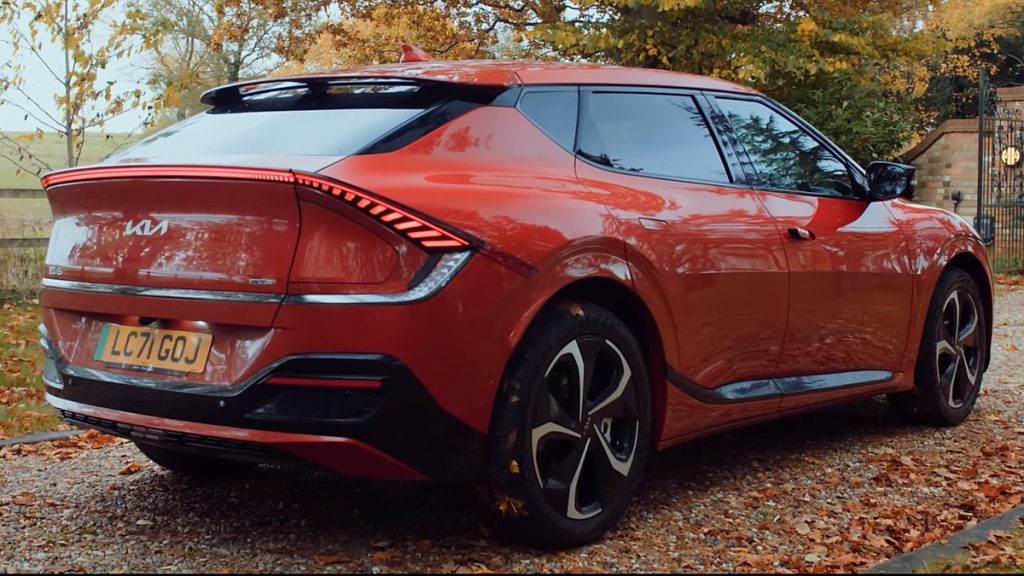
The debate highlights an important distinction. Reliability rankings measure defect frequency and severity, not how much owners enjoy the vehicle when everything is working properly.
In fact, Consumer Reports’ own analysts admitted that the Hyundai IONIQ 5 actually outperformed the Tesla Model Y in testing. However, recurring ICCU failures hurt its reliability score so badly that it missed out on Top Pick status.
Some owners are becoming increasingly frustrated because the problem has persisted for multiple model years. Several online reports claim replacement ICCUs have failed again after repair, while others point to long waits for parts and inconsistent dealer support.
Still, critics of the rankings argue that Consumer Reports may be over-penalizing Hyundai Motor Group products by effectively assigning multiple vehicles poor ratings for what is essentially the same underlying defect. On Reddit, some users questioned why EVs from other manufacturers with battery, software, suspension, or drivetrain problems escaped similar scrutiny.
The irony is that Hyundai and Kia may simultaneously build some of the most loved EVs and some of the most controversial EVs on sale today.
The vehicles themselves continue to win praise for design, performance, charging speed, and day-to-day usability. Yet a single component buried deep within the electrical system has become powerful enough to drag entire model lines down reliability rankings.
For Hyundai and Kia, fixing the ICCU problem is no longer just a warranty issue. It has become a reputation issue. And until the company proves the problem is permanently solved, the gap between owner satisfaction and reliability scores is likely to remain one of the most fascinating stories in the EV industry.