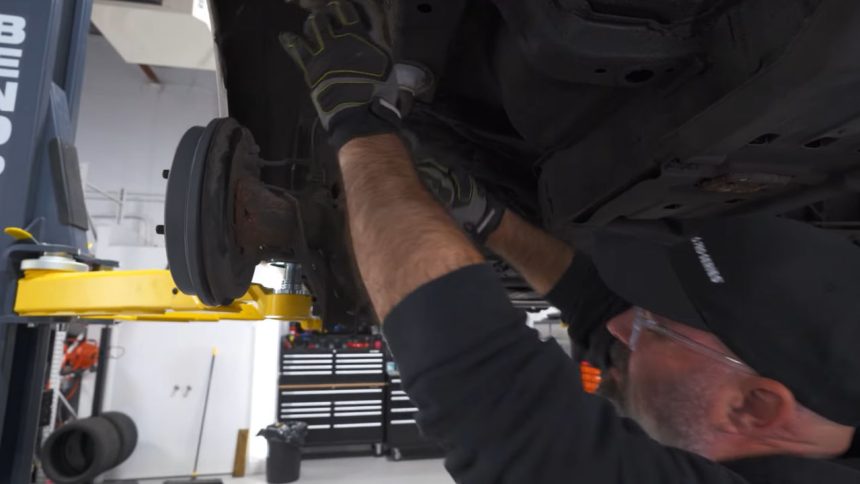
It’s a little concerning when you discover your car shakes at 40-60 mph but stops shaking above 70 mph. This phenomenon often points to an issue with your wheels, tires, suspension, and drivetrain – and rarely (most often) not the engine itself.
The most common cause, according to experienced car owners, is unbalanced tires; however, it could also be bent wheels or worn-out suspension. The shaking is often felt on the steering wheel and, in some cases, throughout the entire vehicle, intensifying with speed. As such, the first step is to have your vehicle inspected for tire balance, alignment, and suspension issues.
“Check your front tires first. More or less, they are worn out from the inner side wall. If the tires check out, check wheel balance. Depending on when the vibration occurs (assuming it’s while cruising speed) not under acceleration, it is most likely tire wear or wheel balance,” an owner on Reddit responded on a query about steering vibration while driving at moderate speeds.
Why car shakes at 40-60 mph range
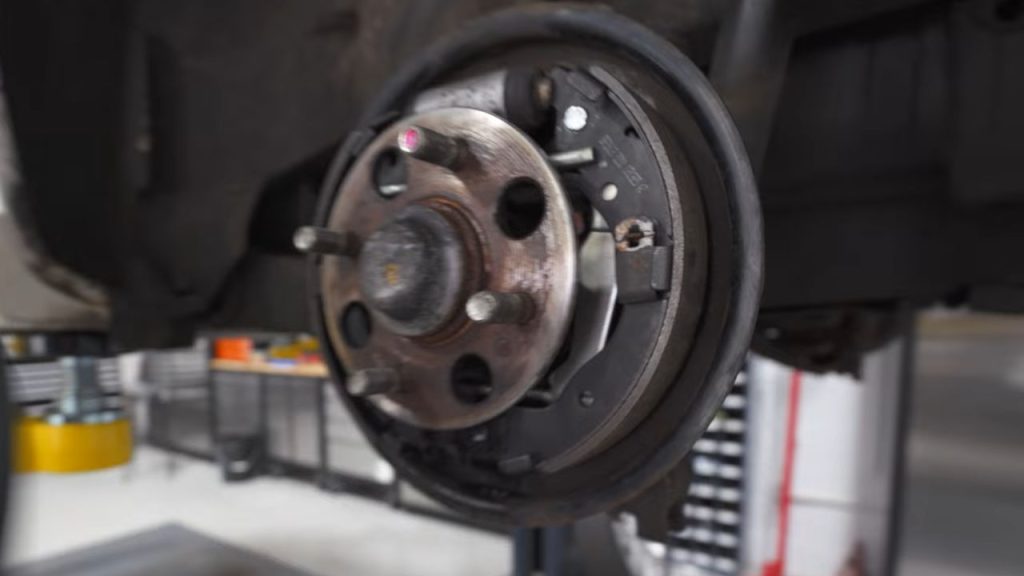
If your vehicle is experiencing speed-dependent vibration (often called shimmy or wobble), it usually comes down to misalignment or imbalance, worn parts, or a structural issue. It could also be due to issues with the tires, wheels, alignment, steering, suspension, drivetrain, or axle mounting.
In case one of your vehicle’s wheels has uneven weight distribution, it could force the vehicle to have a wobble as it spins at lower to mid highway speeds (40-60 mph). The imbalance resonates, creating vibration. Having uneven or worn-out tires can accelerate the issue, making it more intense. Poor wheel alignment can also force your car’s wheels to roll improperly, creating uneven forces and vibration. If you bent your wheels on a pothole or curb, it might look fine on the outside, but while driving on moderate highway speeds, you may notice a wobble as speed increases.
Worn-out or loose suspension or steering components, such as shocks, struts, tie rods, ball joints, and bushings, can cause the wheel movement to shake. Worn wheel bearings and hubs can also cause chassis vibrations at certain speeds. If your vehicle has bent or damaged axles or CV joints, or bad engine or transmission mounts, you will also notice vibration at lower speeds or under heavy engine load.
How to fix car vibration problem
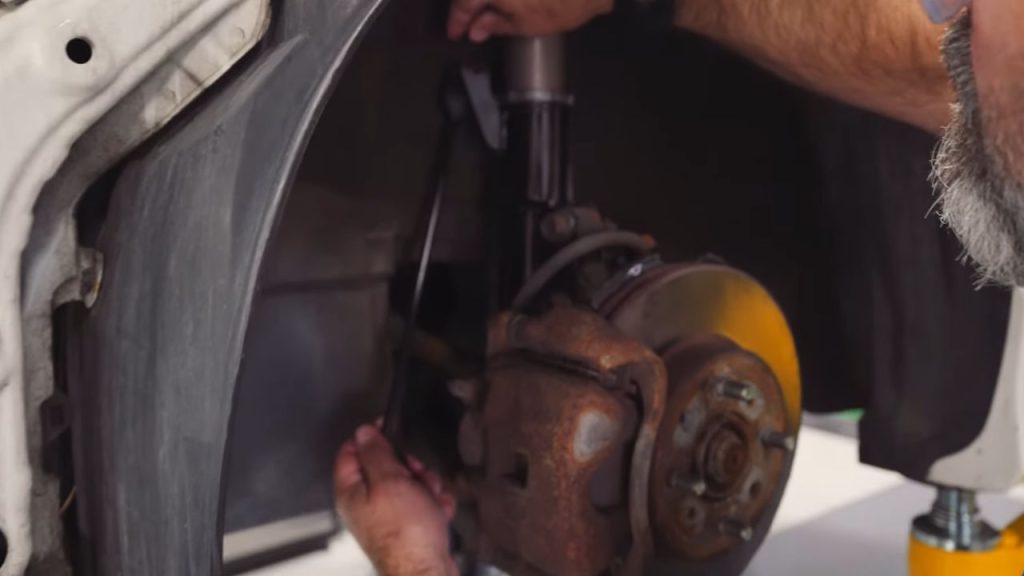
The first suspect of car shakes at 40-60 mph range is always tires and wheels – check your vehicle’s tire balance and wheel alignment. An owner on Reddit inquiring about similar shakes discovered that all their vehicle’s tires were worn out from the inside and even had protruding wires. Most vibration issues between 40 and 60 mph are caused by imbalance. As such, inspect your wheels and tires for bulges, damage, bent rims – and replace where necessary.
If your wheels are okay, inspect your suspension, particularly the shocks, struts, tie rods, ball joints, and control arms, and replace them as needed. Also, check your vehicle’s wheel bearings and hubs for play or roughness – a bad bearing can cause vibration at certain moderate speeds.
If you are still experiencing car shakes at 40-60 mph, inspect your CV joints and differential for signs of damage or bending, as they can also cause vibration at certain speeds. Check your vehicle’s engine and transmission mounts. If the rubber or hydraulic mounts are worn or broken, drivetrain vibration may be transmitted directly into the cabin. If you’ve completed all these checks and still experience car shakes between 40-60 mph, it is advisable to visit a professional repair shop for a complete diagnosis.